One of the first settlements founded by Jews from Germany in Palestine, in the early 1930s, Nahariya was an attempt to establish a different kind of community than those familiar until then, such as the kibbutz and the moshav.
The founding of Nahariya In 1934 2,400 dunams of Arab-owned land became available for purchase north of Acre, near the estuary of Wadi Mafshuh, which later became known as the Ga’aton Stream.
The land was purchased by four individuals: the engineer Yosef Levi; Heinrich Cohen, a banker from Tel Aviv; the agronomist Dr. Zelig Eugen-Soskin; and Paulina Wengrover-Zalkind, who represented four families in Palestine. The four buyers established a company called Nahariya Small Farms, and the new settlement was given the name “Nahariya.” The name came from the Hebrew word nahar, which means “river,” because to the founders, the Ga’aton Stream recalled the European river-cities of their childhood. The choice of name may also have been influenced by the name of the nearby Arab village e-Nahar.
The agricultural model for Nahariya was conceived by Eugen-Soskin, who was born in Russia and studied agronomy and philosophy in Germany. From 1903, he was among the most prominent leaders of the Zionist Movement. On one of his many travels, he discovered a small community in southern Spain called Monte Algaida. Soskin believed that the model of Monte Algaida was the key to settlement in Palestine.
He called his discovery “intensive settlement on a small plot of land under private management.” The plan proposed farms of 5, 7 or 9 dunams, development of infrastructure (water, electricity and roads), facilities for storing equipment and sheltering animals, poultry runs and a farmers’ association. He also proposed the establishment of teams of experts to teach the newcomers how to plant trees, plan homes and raise vegetables and poultry.
Hannah Deutch and her husband Walter, and Ruth and Ya’akov Fauker were the first pioneers to settle in Nahariya. When the two couples arrived at their huts, the roofs were not yet finished. They took up residence at the site on February 10, 1935, and that date became Nahariya’s official Founding Day. That same year, Rabbi Shlomo Rilf arrived in Nahariya from Germany, and eventually became the principal of the Chaim Weizmann School in the city.
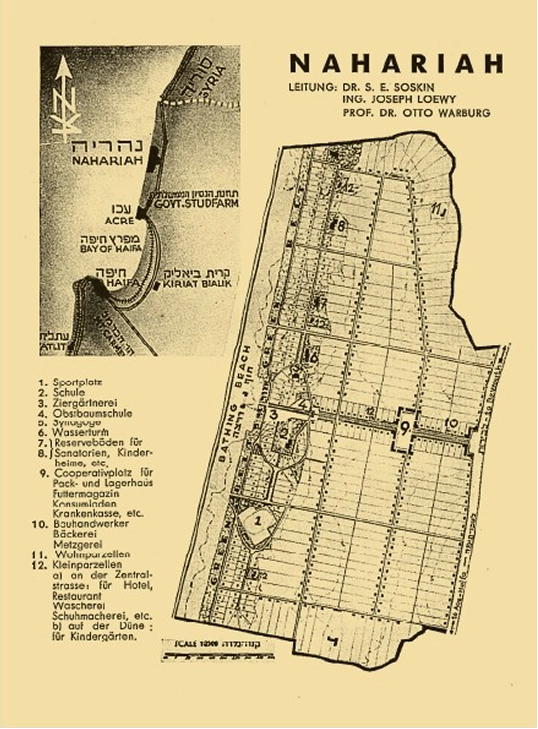
The masterplan for Nahariya, by Alfred Zifrin , as published in a marketing brochure for Nahariya, 1935.
Nahariya
One of the first settlements founded by Jews from Germany in Palestine, in the early 1930s, Nahariya was an attempt to establish a different kind of community than those familiar until then, such as the kibbutz and the moshav. The founding of Nahariya In 1934 2,400 dunams of Arab-owned land became available for purchase north of Acre, near the estuary of Wadi Mafshuh, which later became known as the Ga’aton Stream. The land was purchased by four individuals: the engineer Yosef Levi; Heinrich Cohen, a banker from Tel Aviv; the agronomist Dr. Zelig Eugen-Soskin; and Paulina Wengrover-Zalkind, who represented four families in Palestine. The four buyers established a company called Nahariya Small Farms, and the new settlement was given the name “Nahariya.” The name came from the Hebrew word nahar, which means “river,” because to the founders, the Ga’aton Stream recalled the European river-cities of their childhood. The choice of name may also have been influenced by the name of the nearby Arab village e-Nahar.
The agricultural model for Nahariya was conceived by Eugen-Soskin, who was born in Russia and studied agronomy and philosophy in Germany. From 1903, he was among the most prominent leaders of the Zionist Movement. On one of his many travels, he discovered a small community in southern Spain called Monte Algaida. Soskin believed that the model of Monte Algaida was the key to settlement in Palestine.
He called his discovery “intensive settlement on a small plot of land under private management.” The plan proposed farms of 5, 7 or 9 dunams, development of infrastructure (water, electricity and roads), facilities for storing equipment and sheltering animals, poultry runs and a farmers’ association. He also proposed the establishment of teams of experts to teach the newcomers how to plant trees, plan homes and raise vegetables and poultry.
Hannah Deutch and her husband Walter, and Ruth and Ya’akov Fauker were the first pioneers to settle in Nahariya. When the two couples arrived at their huts, the roofs were not yet finished. They took up residence at the site on February 10, 1935, and that date became Nahariya’s official Founding Day. That same year, Rabbi Shlomo Rilf arrived in Nahariya from Germany, and eventually became the principal of the Chaim Weizmann School in the city.
The masterplan for Nahariya, by Alfred Zifrin , as published in a marketing brochure for Nahariya, 1935.
Nahariya
Nahariyade
Nahariyade
David Witztum and Mr. Blitzblauin the streets of Nahariya during the filming of The Nahariyade, 2002.
Nahariyade
Nahariya
Nahariyade
David Witztum and Mr. Blitzblauin the streets of Nahariya during the filming of The Nahariyade, 2002.
Nahariya
Penguin Restaurant
The story of the Penguin Restaurant in Nahariya
A visit to the legendary restaurant in Nahariya, which opened before the establishment of the State of Israel on the city’s main street, and operated in the same location under exactly the same name until 2023.
Penguin Restaurant
Nahariya
The story of the Penguin Restaurant in Nahariya
A visit to the legendary restaurant in Nahariya, which opened before the establishment of the State of Israel on the city’s main street, and operated in the same location under exactly the same name until 2023.
Nahariya
Ga’aton
Ga’aton
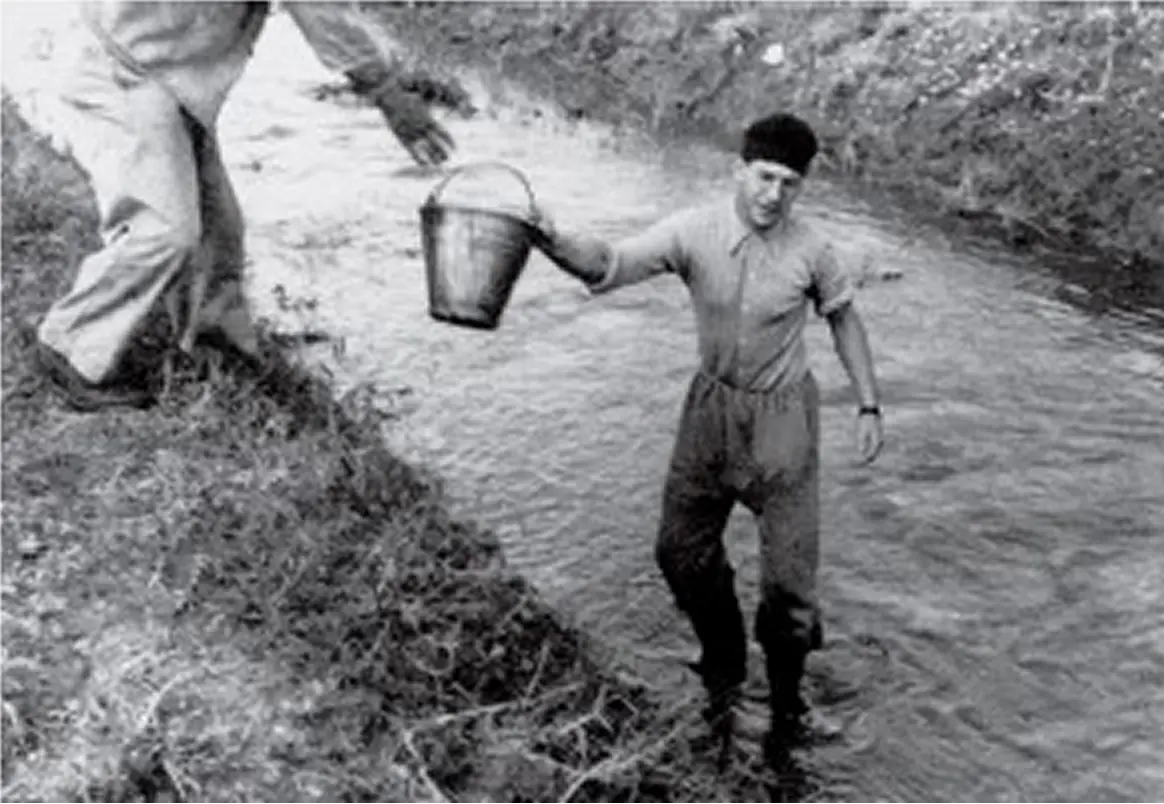
Dr. Fritz Wolff drawing water from the Mafshuh (Ga’aton) Stream, 1937.
Ga’aton
Nahariya
Ga’aton
Dr. Fritz Wolff drawing water from the Mafshuh (Ga’aton) Stream, 1937.
Nahariya
Herzl Street
100 Herzl Street
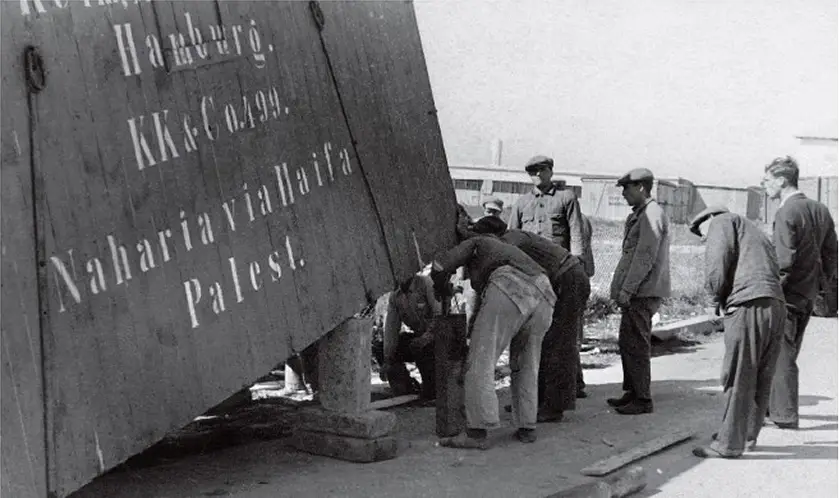
A crate is unpacked at 100 Herzl Street, Nahariya, early 1938. Courtesy of Andreas Meyer.
Herzl Street
Nahariya
100 Herzl Street
A crate is unpacked at 100 Herzl Street, Nahariya, early 1938. Courtesy of Andreas Meyer.
Nahariya
The Hut
The Hut- Weitzmann 2
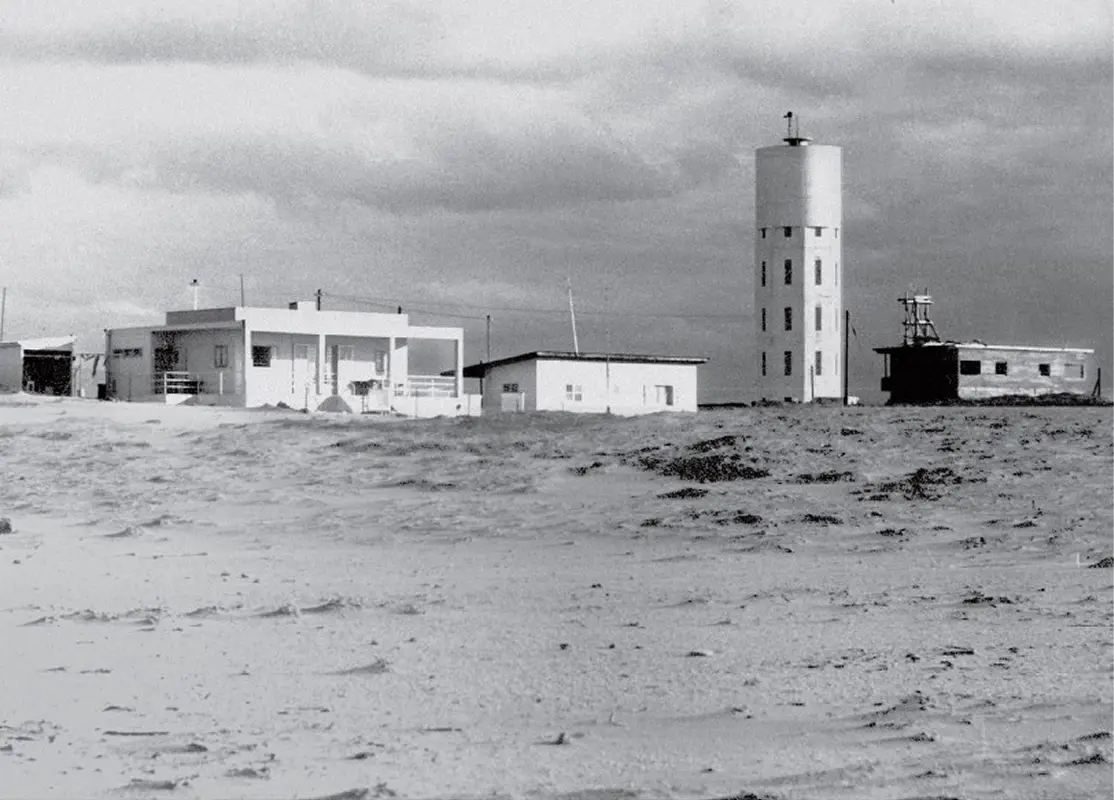
A hut used by the first settlers in Nahariya. It reveals the desire to maintain daily life as it was in Europe, even in a simple and temporary dwelling.
The Hut
Nahariya
The Hut- Weitzmann 2
A hut used by the first settlers in Nahariya. It reveals the desire to maintain daily life as it was in Europe, even in a simple and temporary dwelling.
Nahariya
ISCAR
ISCAR
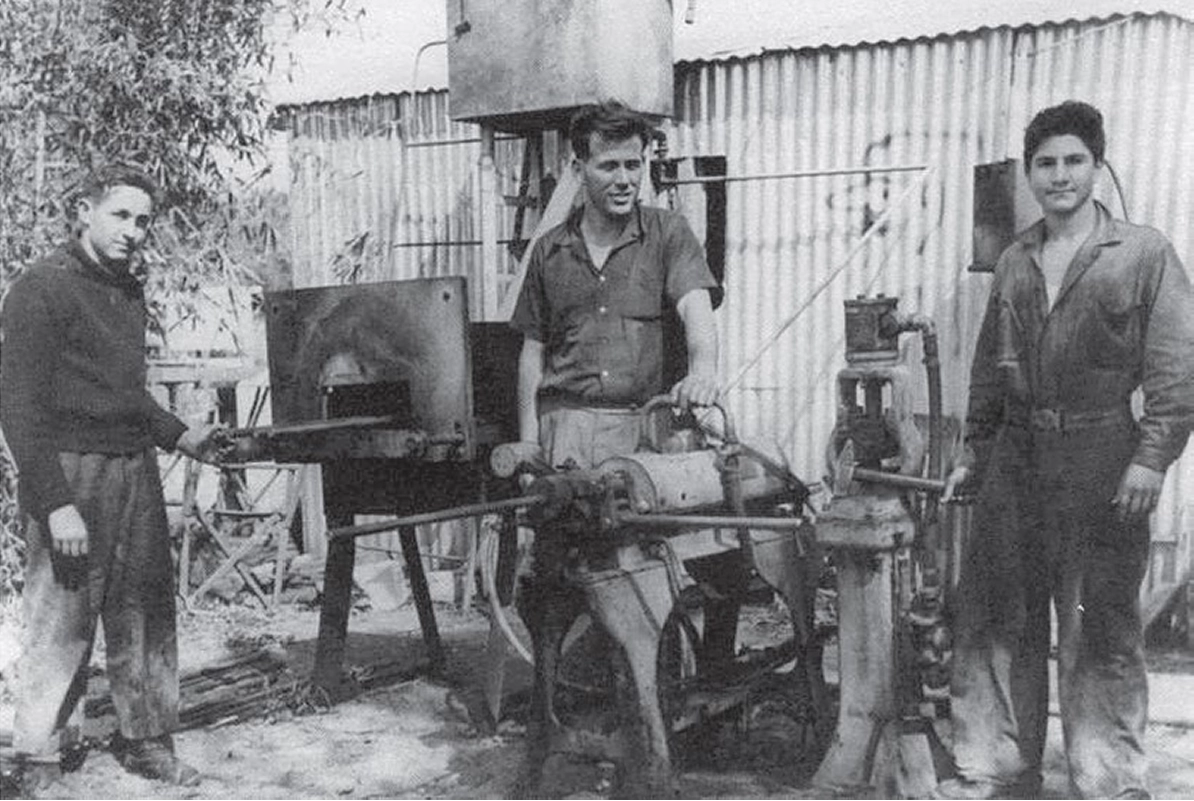
Stef Wertheimer (center)with Ephraim Samucha (right) and Mordechai Reichenthal (left) at the first homeof ISCAR, Nahariya, 1954
ISCAR
Nahariya
ISCAR
Stef Wertheimer (center)with Ephraim Samucha (right) and Mordechai Reichenthal (left) at the first homeof ISCAR, Nahariya, 1954
Nahariya
Family of Yosef Levi
The home of the family of Yosef Levi
The home of the family of Yosef Levi, among the founders ofNahariya, 1937; courtesy of Andreas Meyer.
Family of Yosef Levi
Nahariya
The home of the family of Yosef Levi
The home of the family of Yosef Levi, among the founders ofNahariya, 1937; courtesy of Andreas Meyer.
Nahariya
The house Rheda-Wiedenbrück
The house Rheda-Wiedenbrück
The contents of a the house in Rheda-Wiedenbrück, Germany ispacked up, under the supervision of a policeman, to be shipped to Eretz Israelvia Hamburg, 1937.
The house Rheda-Wiedenbrück
Nahariya
The house
Rheda-Wiedenbrück
The contents of a the house in Rheda-Wiedenbrück, Germany ispacked up, under the supervision of a policeman, to be shipped to Eretz Israelvia Hamburg, 1937.