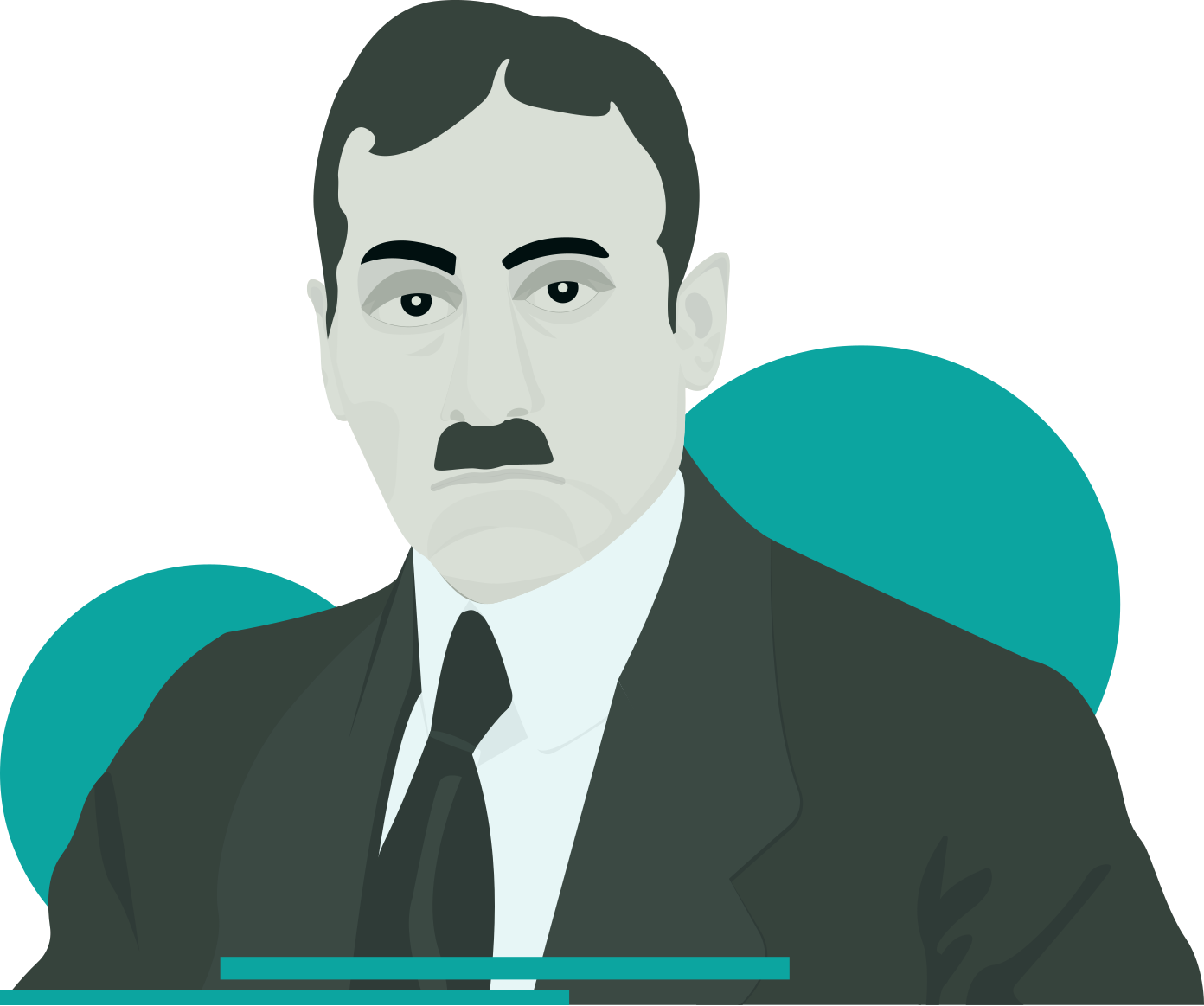
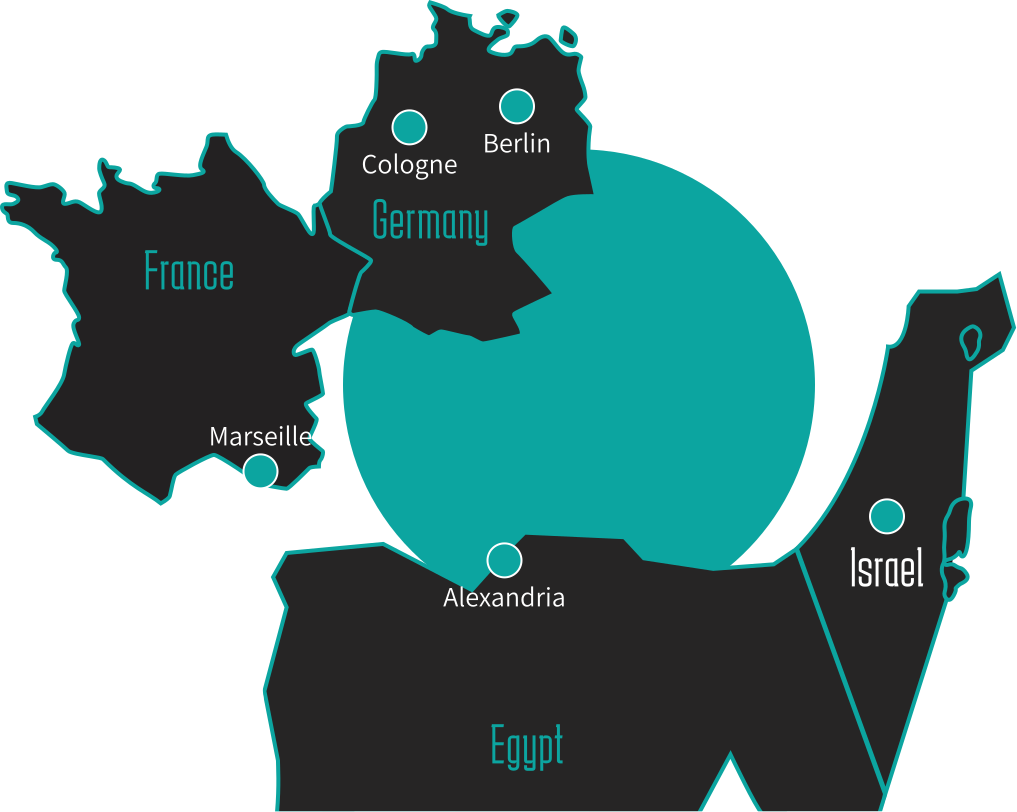
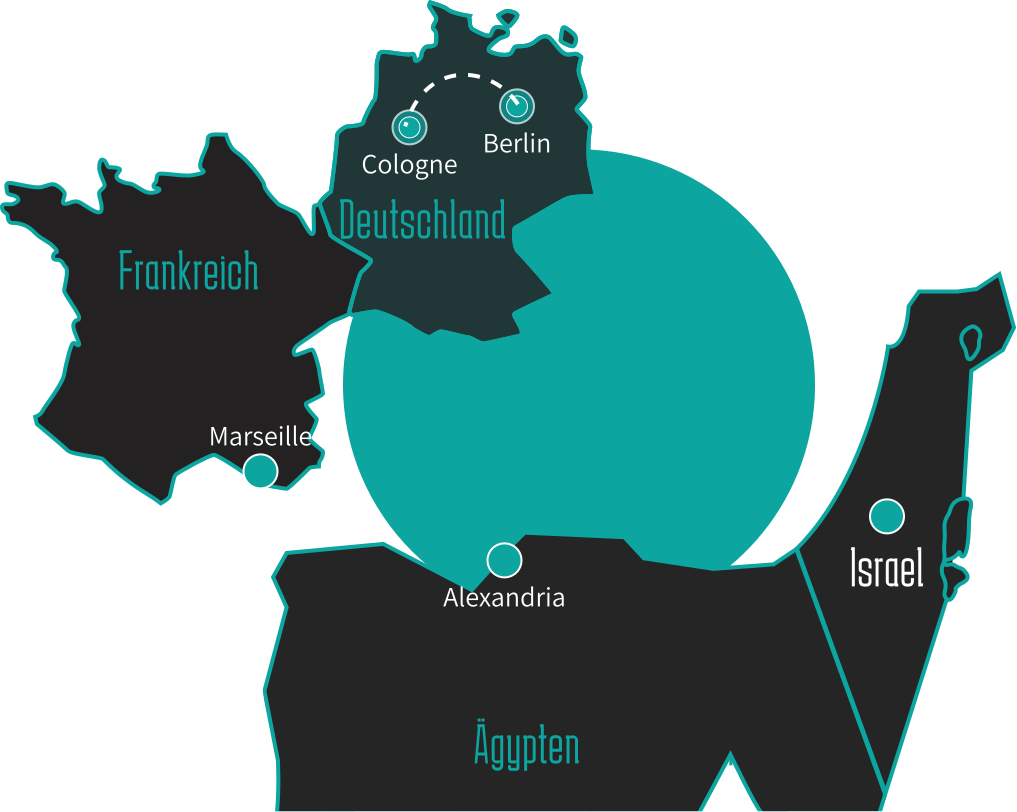
Dr. Eugen Rosenberg was born in Cologne, Germany (1877–1937), an attorney.
In mid-March 1933, Rosenberg was taken by the Gestapo into what was called “protective custody.”
SS operatives broke into the family home, smashed the furnishings and stole works of art and collections from the Far East that Rosenberg, an avid collector, had amassed over the years. Eugen Rosenberg suffered greatly from the loss of his home and property, his friends and his profession in Cologne. He died in 1937. His home in the Rodenkirchen borough of Cologne now bears his name.
Rosenberg’s wife Irma (Elice) remained behind in Cologne. Like many other Jewish citizens of Cologne, she may have been interned in the Messelager Köln and from there she was deported to the East and murdered. According to current research, Elise died of neglect in the Langenhorn nursing and old-age home in October 1941.
According to information provided by Eva Rosenberg, she and her father were accompanied to Palestine by her father’s lover, while her mother stayed behind in Germany. It was said that after Eugen Rosenberg’s death, Irma urged her daughter to return to Germany, but Eva did not want to leave Palestine.
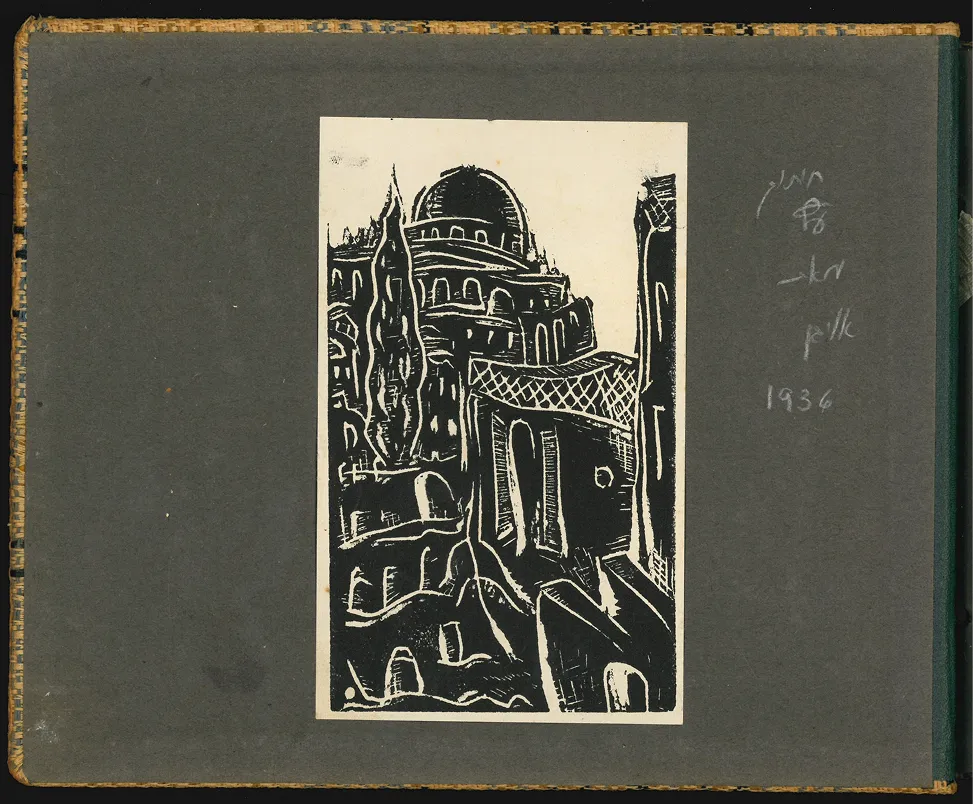
Woodcut by Eugen Rosenberg, 1936, from Eva Rosenberg’s family album.
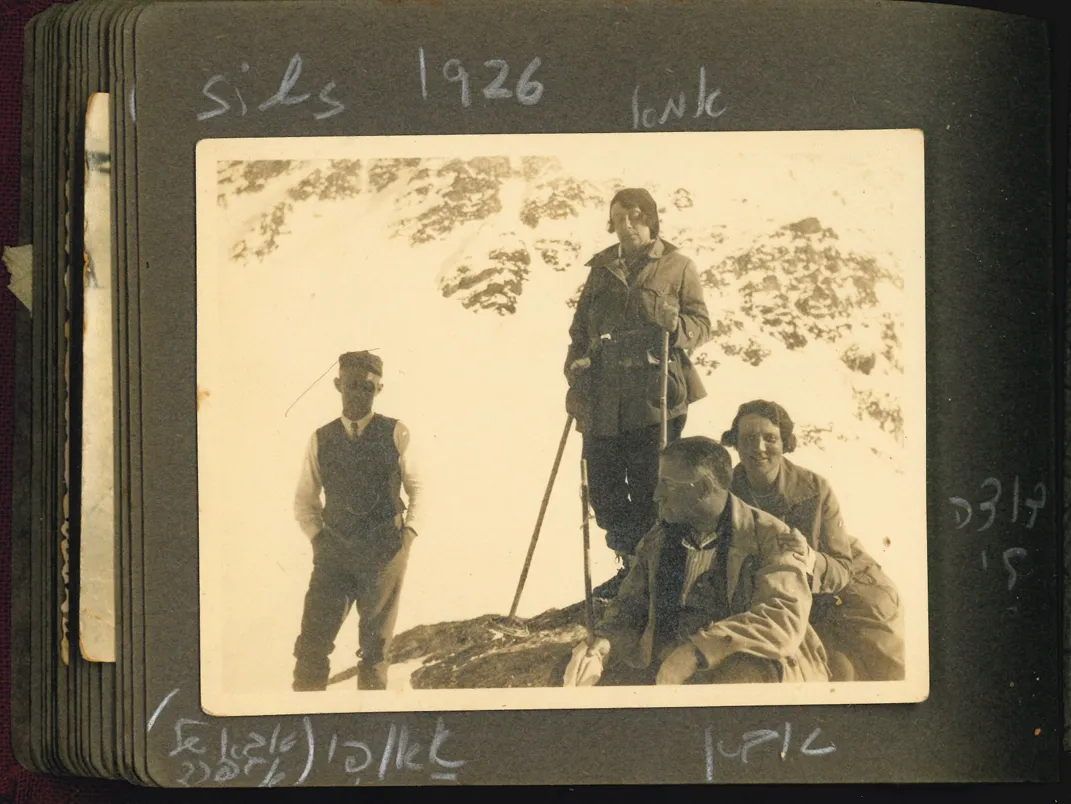
Rosenberg joined the Alpine Club in 1903, and also volunteered as deputy secretary of the Wallraf-Richartz Museum in Cologne, which displays works from the Middle Ages to the twentieth century.
Dr. Eugen Rosenberg, an attorney, was employed as a consultant in the Hermann & Tietz department store in Cologne in the 1920s. He belonging to the Social Democratic Party of Germany and was active in many associations in Cologne.
n mid-March 1933, Rosenberg was taken by the Gestapo into what was called “protective custody.” He remained in custody for 14 days, after which he was dismissed from his position as a notary.
Milestones in the life of Dr. Eugen Rosenberg
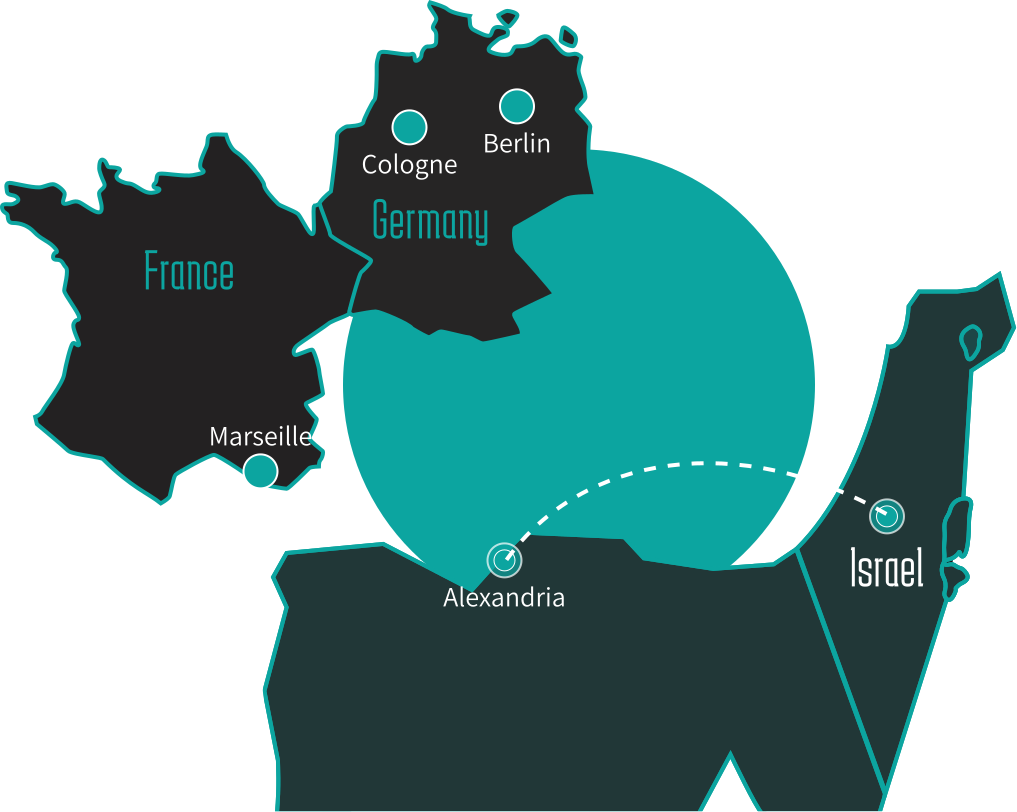
He remained in custody for 14 days. Out of fear of re-arrest, he traveled first to Berlin with his daughter Eva, and from there, they wandered from place to place.
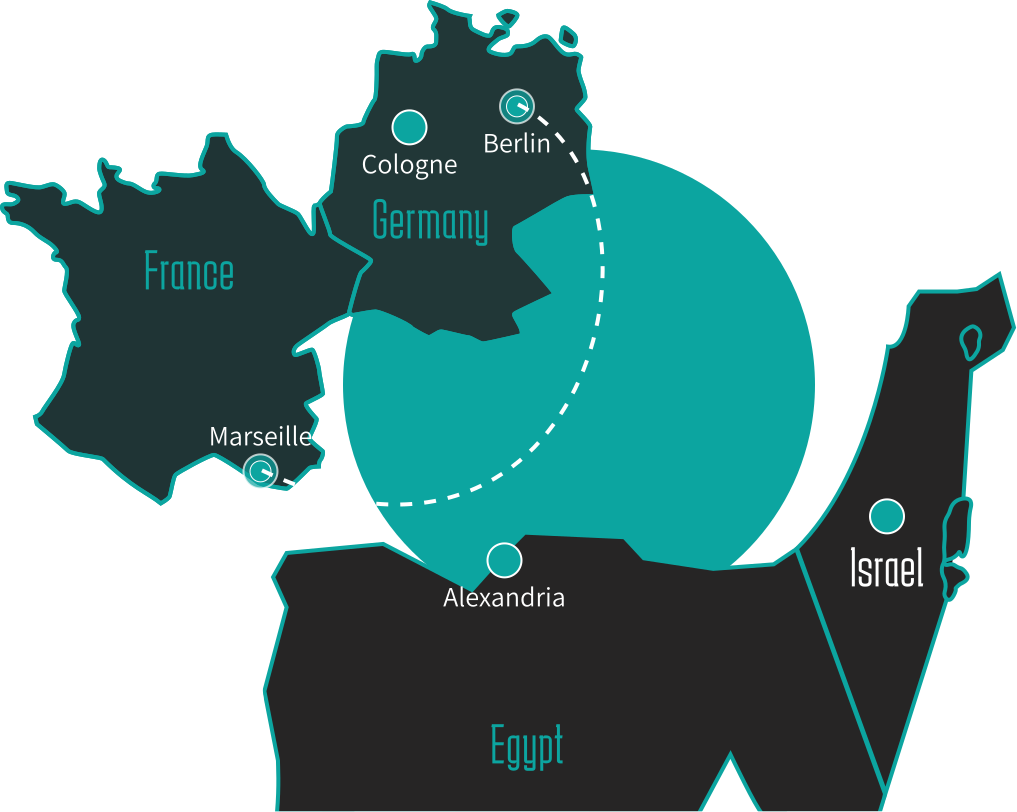
In the early autumn of 1934, he decided to flee Germany, and he and Eva made their way to Marseilles via the coasts of Italy and France.
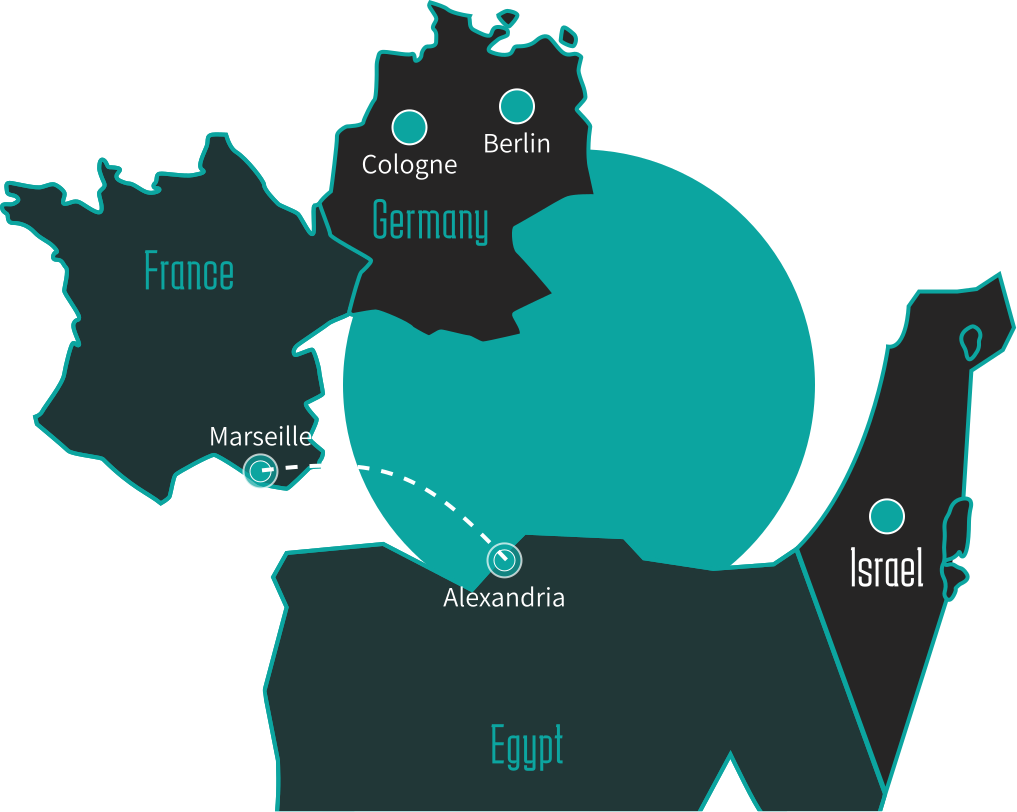
They sailed on a small ship to Alexandria.
In early October, they reached their destination – Palestine. “The German hell,” as Eva Rosenberg wrote in her diary, was finally behind them.