Yehuda Ben-Horin
1915–1974
Biography
1920-1944
Europe & Israel
Milestones in the life of Yehuda Ben-Horin
1920
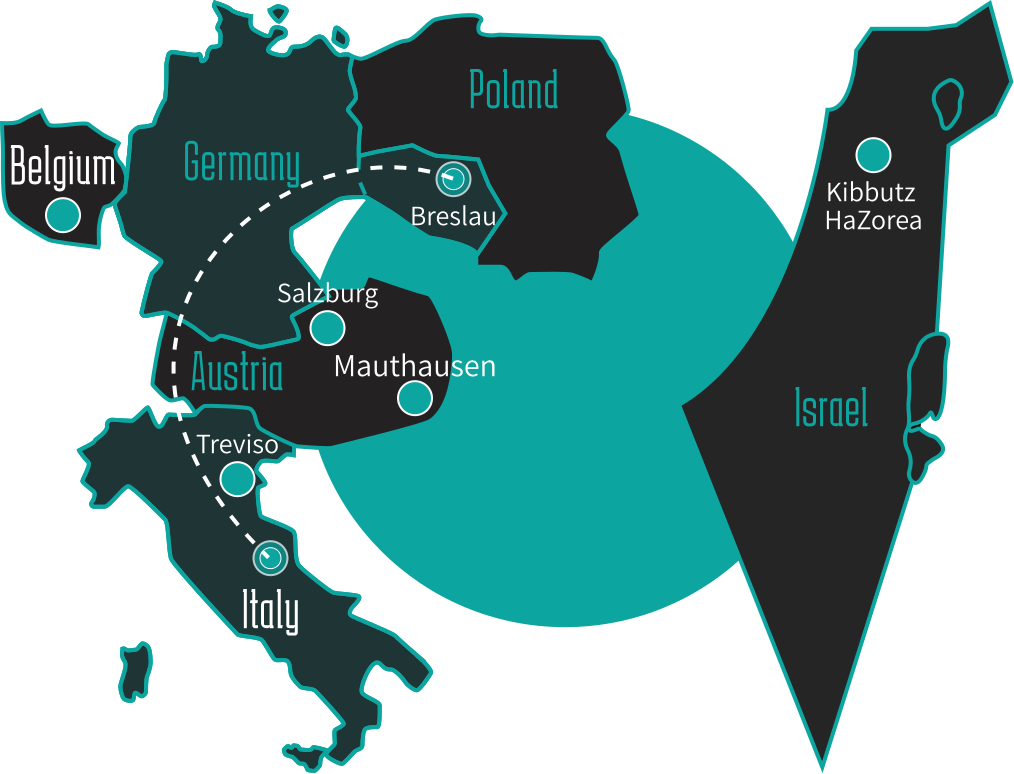
Breslau▸Italy
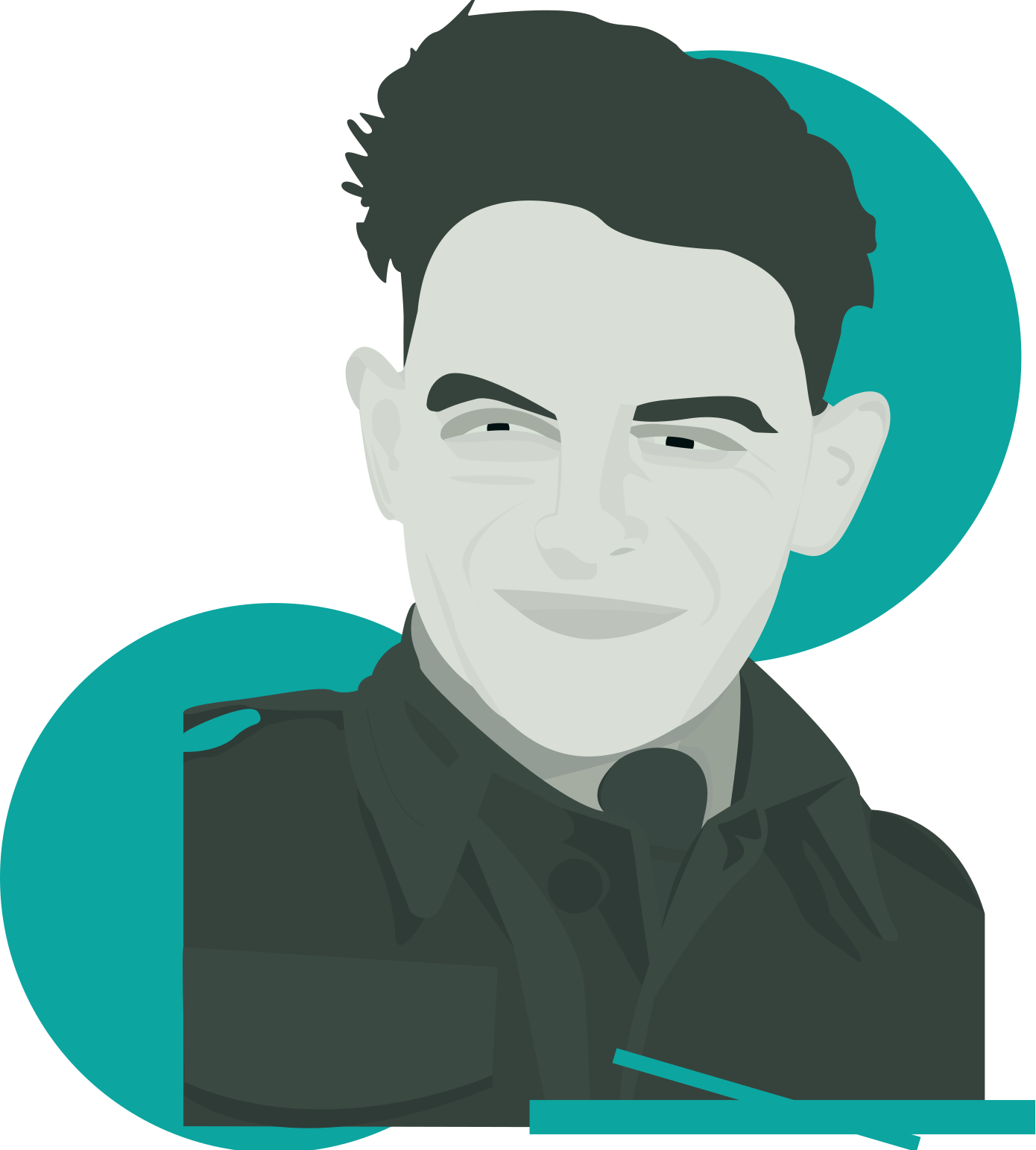
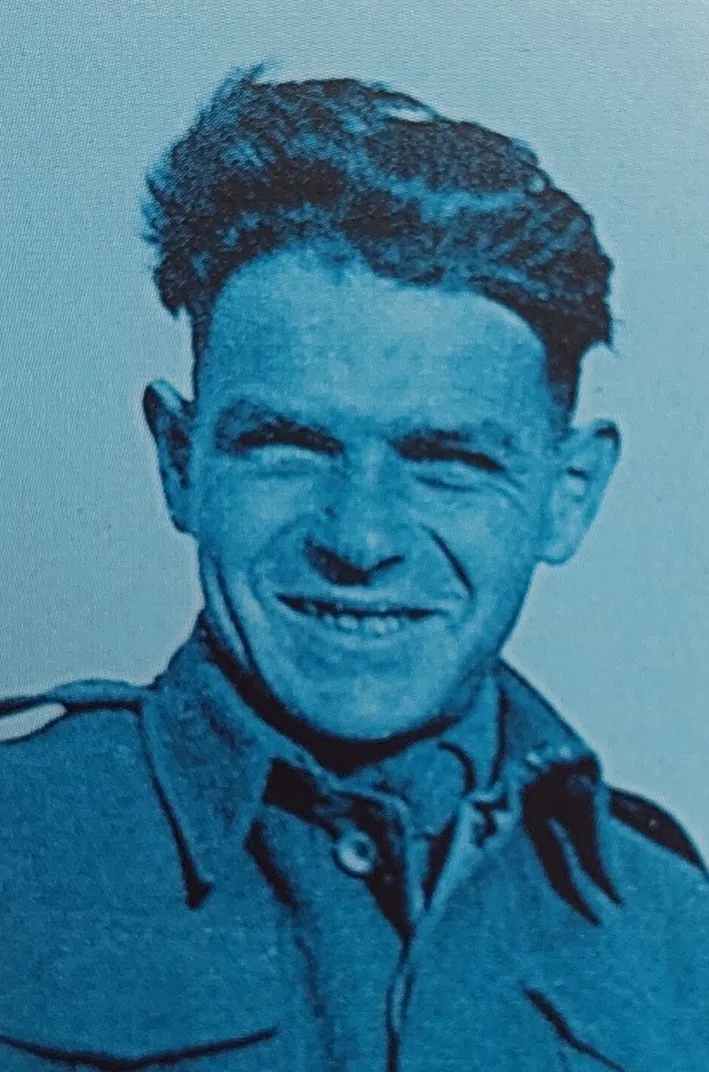
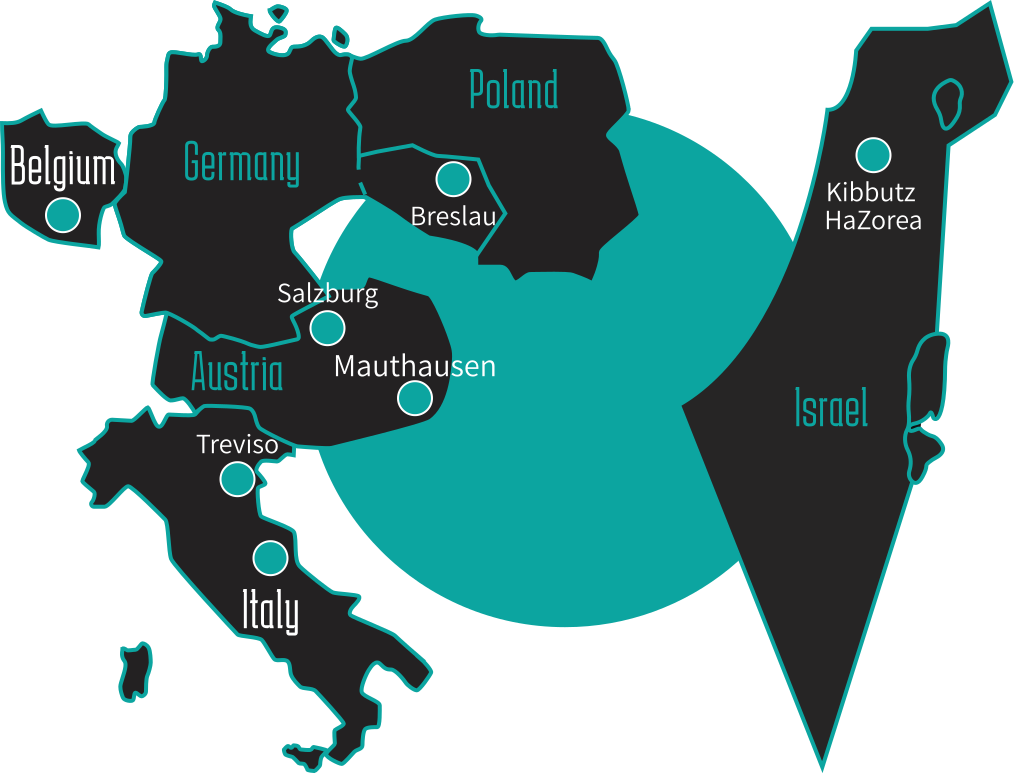
Yehuda Ben-Horin was born in the city of Breslau in 1915 as Yehuda Briger. When Hitler came to power he fled from Germany to Italy.
1936
Italy▸Kibbutz HaZorea
He came to Israel as part of HeHalutz in July 1936 and became one of the founders of Kibbutz HaZorea.
1944
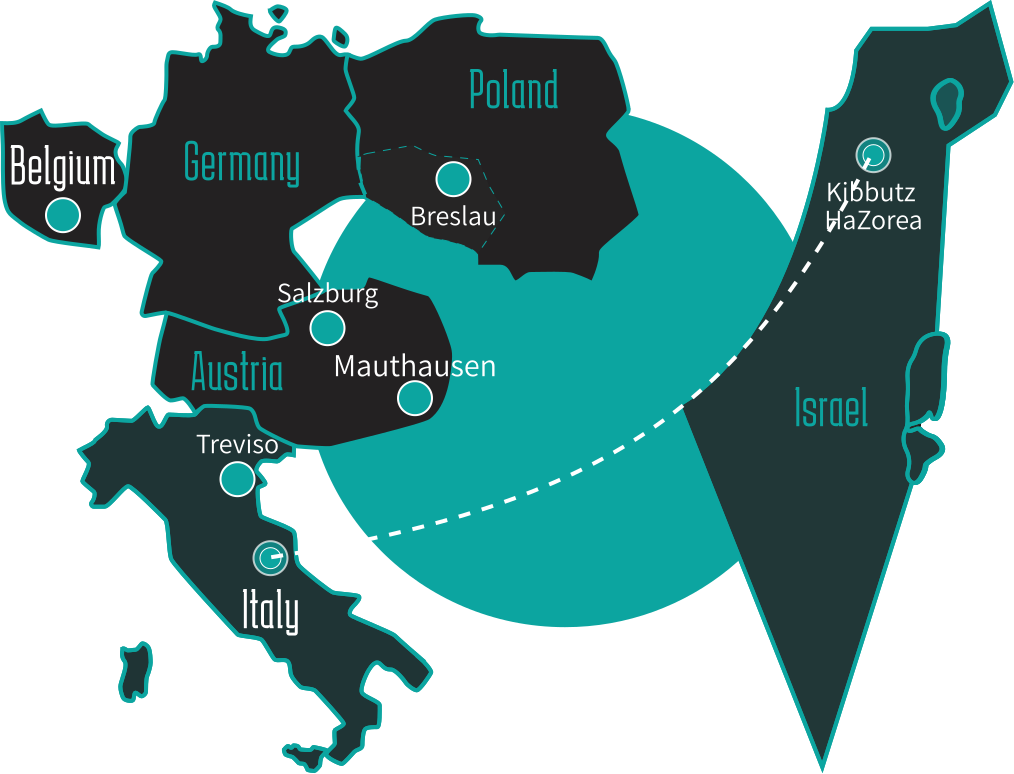
Kibbutz HaZorea▸Treviso
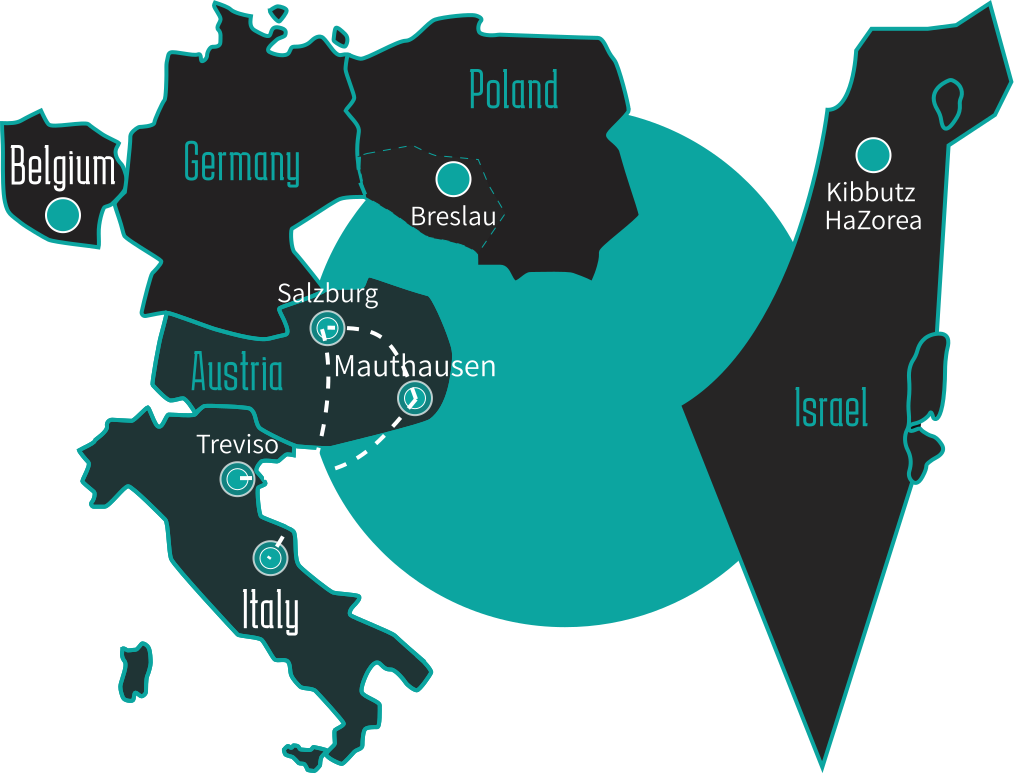
In November 1944, Ben-Horin joined the Jewish Brigade of the British Army and was stationed in the city of Treviso in Italy.
1944
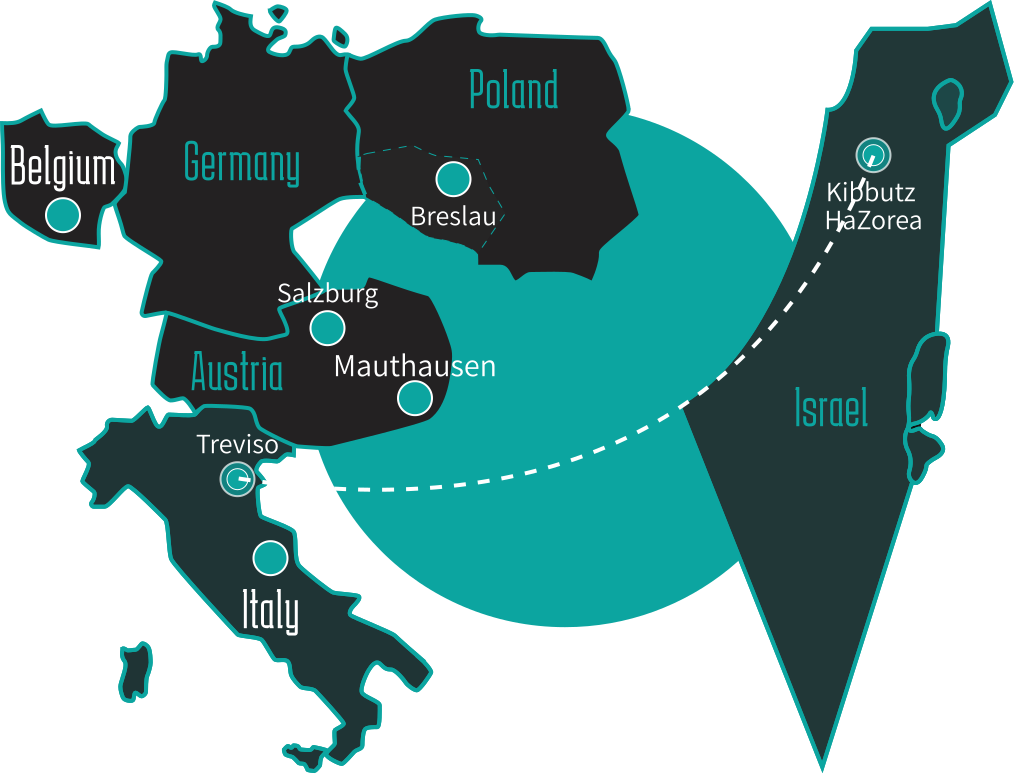
Treviso▸Mauthausen▸Salzburg▸Italy
Ben-Horin arrived at Matthausen concentration camp a few days after its liberation and organized the transfer of the survivors to a camp in Salzburg, Austria, and from there to ports in Italy where they boarded clandestine immigration ships bound for Eretz Israel.
1946
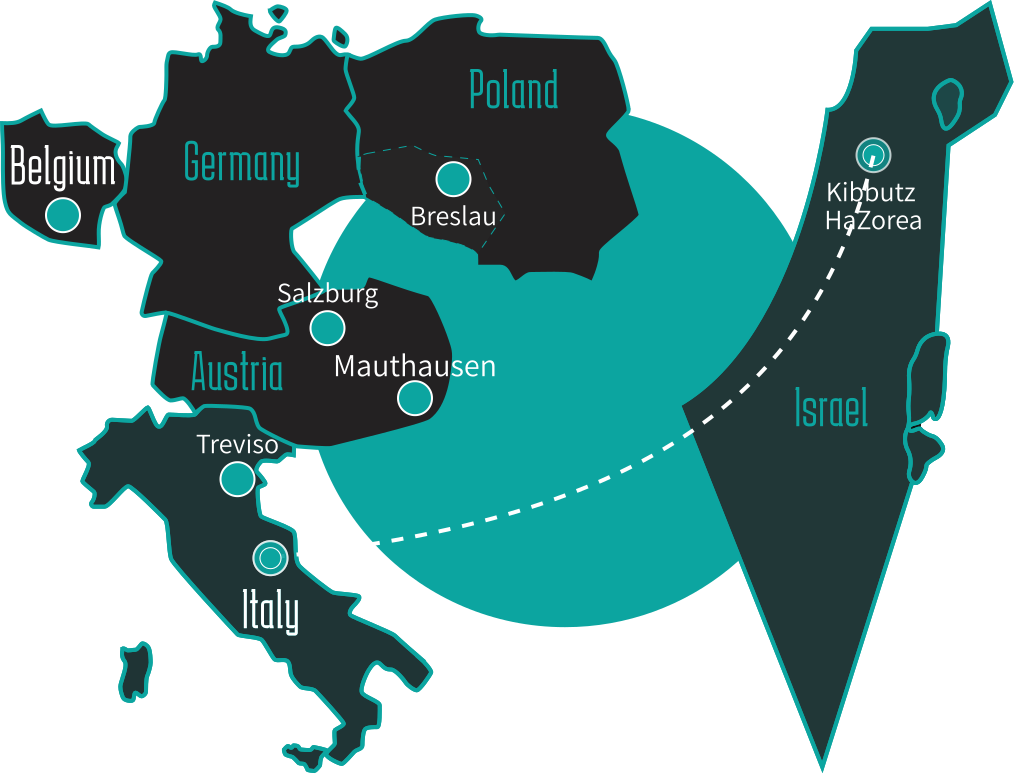
Italy▸Kibbutz HaZorea
Ben-Horin returned to his kibbutz
in 1946.
1947
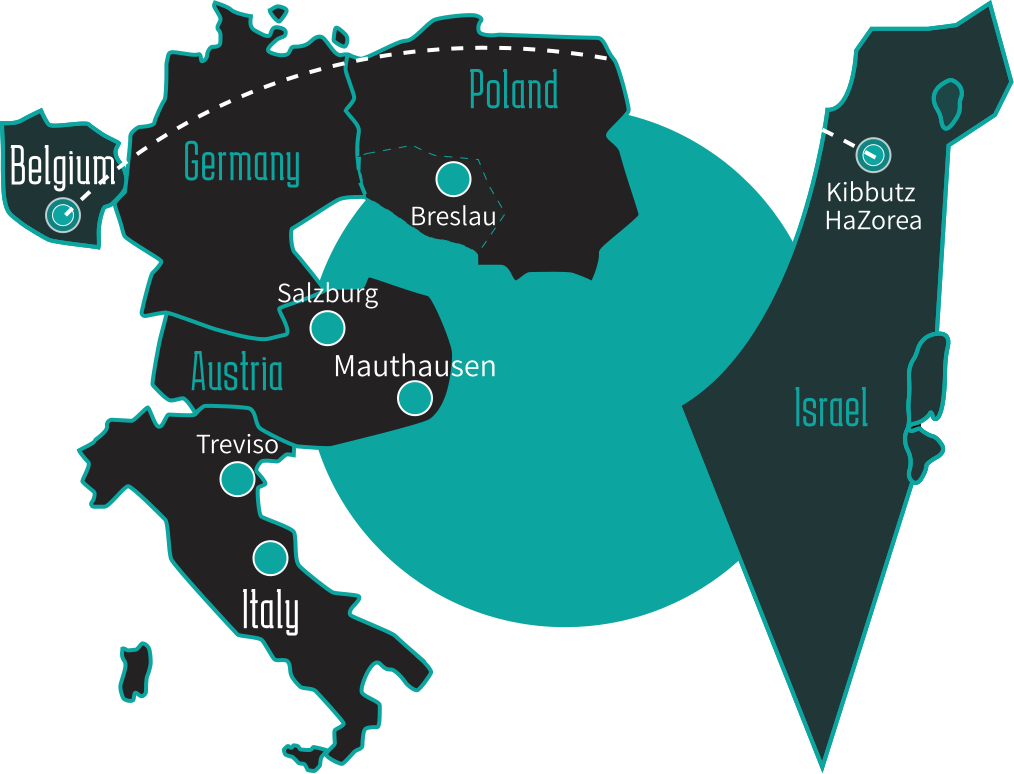
Kibbutz HaZorea▸Belgium
He went to Belgium in the framework of the clandestine immigration efforts known as Aliyah Bet.
1949
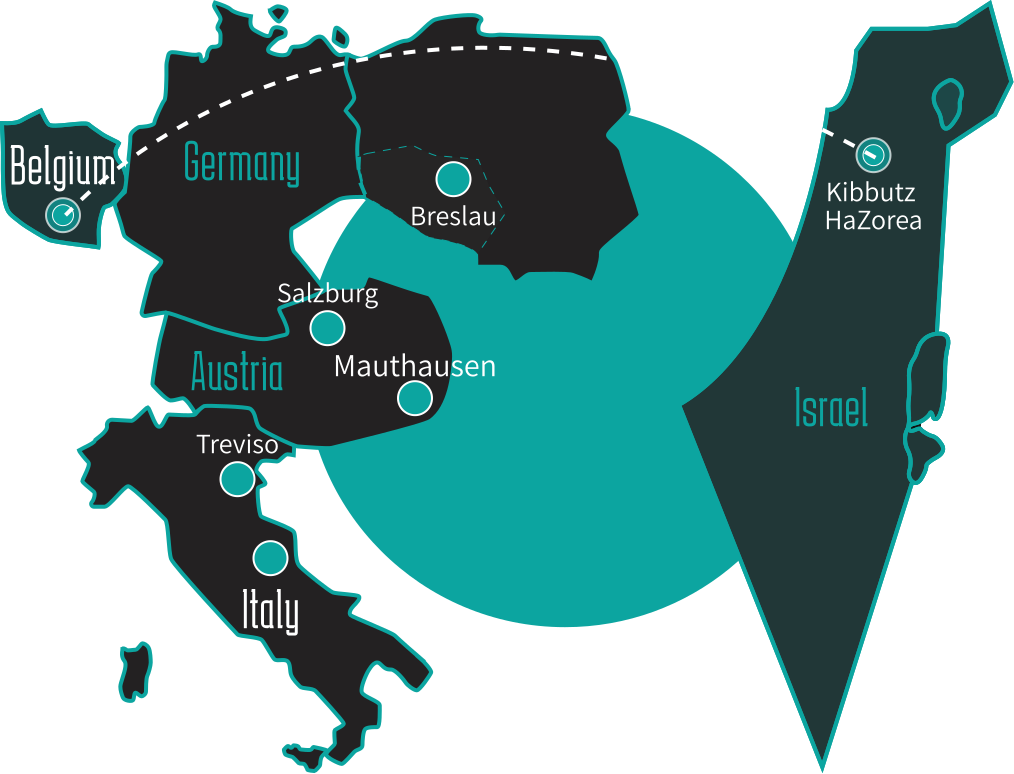
Belgium▸Kibbutz HaZorea
After the War of Independence, Ben-Horin returned to Kibbutz HaZorea. He passed away in his kibbutz on May 4, 1974.