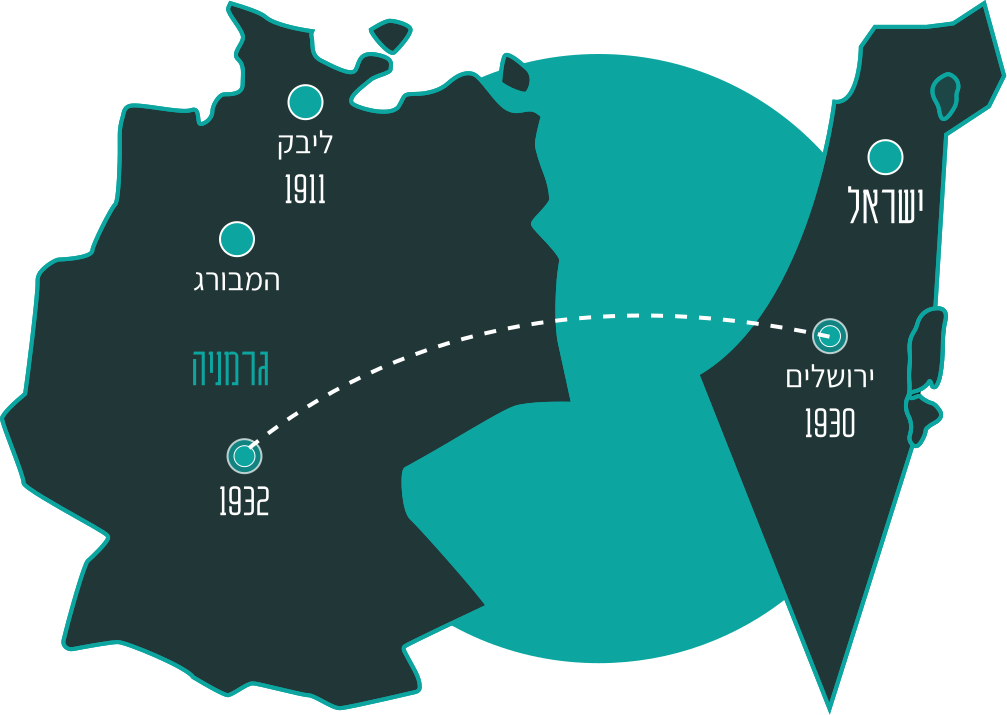
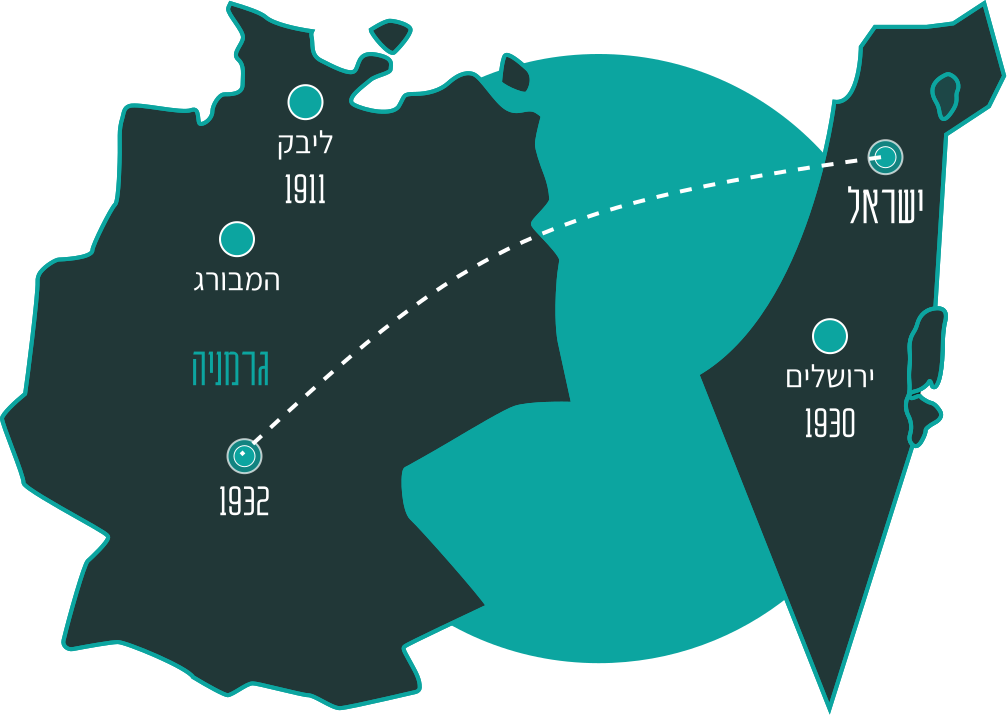
Immigrants from Central Europe took on key roles in various sectors of the country’s business world and the economy. However, their impact in the political realm was limited. The main reason for this was their difficulty integrating into the political frameworks of the immigrants from the second and third waves of Aliyah, which were founded of a different governing tradition than that accepted in Central Europe.
Language difficulties also contributed to the limited influence of Central European immigrants in the political arena. Their first attempts to integrate into existing parties, especially in leadership roles, were unsuccessful, which opened the road to seeking separate political organizations for Central European newcomers.
The first party to be established was Kidmah (1934), followed by Ahdut Ha‘am (1938) and finally, Aliyah Hadasha (1942). However, it is doubtful that the diverse political viewpoints of the “German-speaking” wave of immigrants could have been uniformly represented. In 1948 the Central European voice found representation in various political parties in the Knesset.
In public administration, Central European immigrants found positions mainly in the Welfare Ministry, the Justice Ministry and Israel’s foreign service.