The war was fought between the Second French Empire and Prussia and other Germanic countries. Emperor Napoleon III declared war on Prussia out of fear of its growing strength..🢘
1914-1918
Jews in World War I
Jews enlisted in the armies of the German and the Austro-Hungarian empires and served loyally on all fronts out of a desire to serve their countries. They took part in the war as combat soldiers and officers and some advanced to high ranks. 🢘
1933-1939
The Fifth Aliyah
Some 250,000 Jews moved to Israel from 1933 to 1939 – a wave of immigration that almost tripled the size of the Palestine’s Jewish community (Yishuv). The new arrivals were called the “yekke immigration”. 🢘
1938
Kristallnacht
The November Pogrom, known as Kristallnacht (“Night of Broken Glass”) was a brutal assault on the Jews of Germany and Austria on the night of November 9–10, 1938. The name derives from shattering of the glass windows of synagogues. 🢘
1897
The First Zionist Congress
The First Zionist Congress, attended by delegates of the Zionist movements, was held in Basel, Switzerland on August 29–31, 1897, I–3 Elul 5757. The importance of the congress was in laying the groundwork for the Zionist movement.... 🢘
1933-1939
Jews Leaving Central Europe
The Fifth Aliyah, consisting largely of German-speaking immigrants from Central Europe, took place when the Third Reich rose to power and until the outbreak of World War II (1933–1939). 🢘
1948
Declaration of the Establishment of the State of Israel
On Friday May 14, 1948, 5 Iyyar, 5708 at 4 PM (eight hours before the end of the British Mandate over Palestine), independence was declared at a ceremony at the Tel Aviv Museum, then located in the Dizengoff house. 🢘
1870-1871
Jews in the Franco-Prussian
The war was fought between the Second French Empire and Prussia and other Germanic countries. Emperor Napoleon III declared war on Prussia out of fear of its growing strength.
1870-1871
1897
The First Zionist Congress
The First Zionist Congress, attended by delegates of the Zionist movements, was held in Basel, Switzerland on August 29–31, 1897, I–3 Elul 5757. The importance of the congress was in laying the groundwork for the Zionist movement
1897
1918-1914
Jews in World War I
Jews enlisted in the armies of the German and the Austro-Hungarian empires and served loyally on all fronts out of a desire to serve their countries. They took part in the war as combat soldiers and officers and some advanced to high ranks.
1918-1914
1933-1939
Jews Leaving Central Europe
The Fifth Aliyah, consisting largely of German-speaking immigrants from Central Europe, took place when the Third Reich rose to power and until the outbreak of World War II (1933–1939).
1933-1939
1933-1939
The Fifth Aliyah
Some 250,000 Jews moved to Israel from 1933 to 1939 – a wave of immigration that almost tripled the size of the Palestine’s Jewish community (Yishuv). The new arrivals were called the “yekke immigration”.
1933-1939
1948
Declaration of the Establishment of the State of Israel
On Friday May 14, 1948, 5 Iyyar, 5708 at 4 PM (eight hours before the end of the British Mandate over Palestine), independence was declared at a ceremony at the Tel Aviv Museum, then located in the Dizengoff house.
1948
1938
Kristallnacht
The November Pogrom, known as Kristallnacht (“Night of Broken Glass”) was a brutal assault on the Jews of Germany and Austria on the night of November 9–10, 1938. The name derives from shattering of the glass windows of synagogues
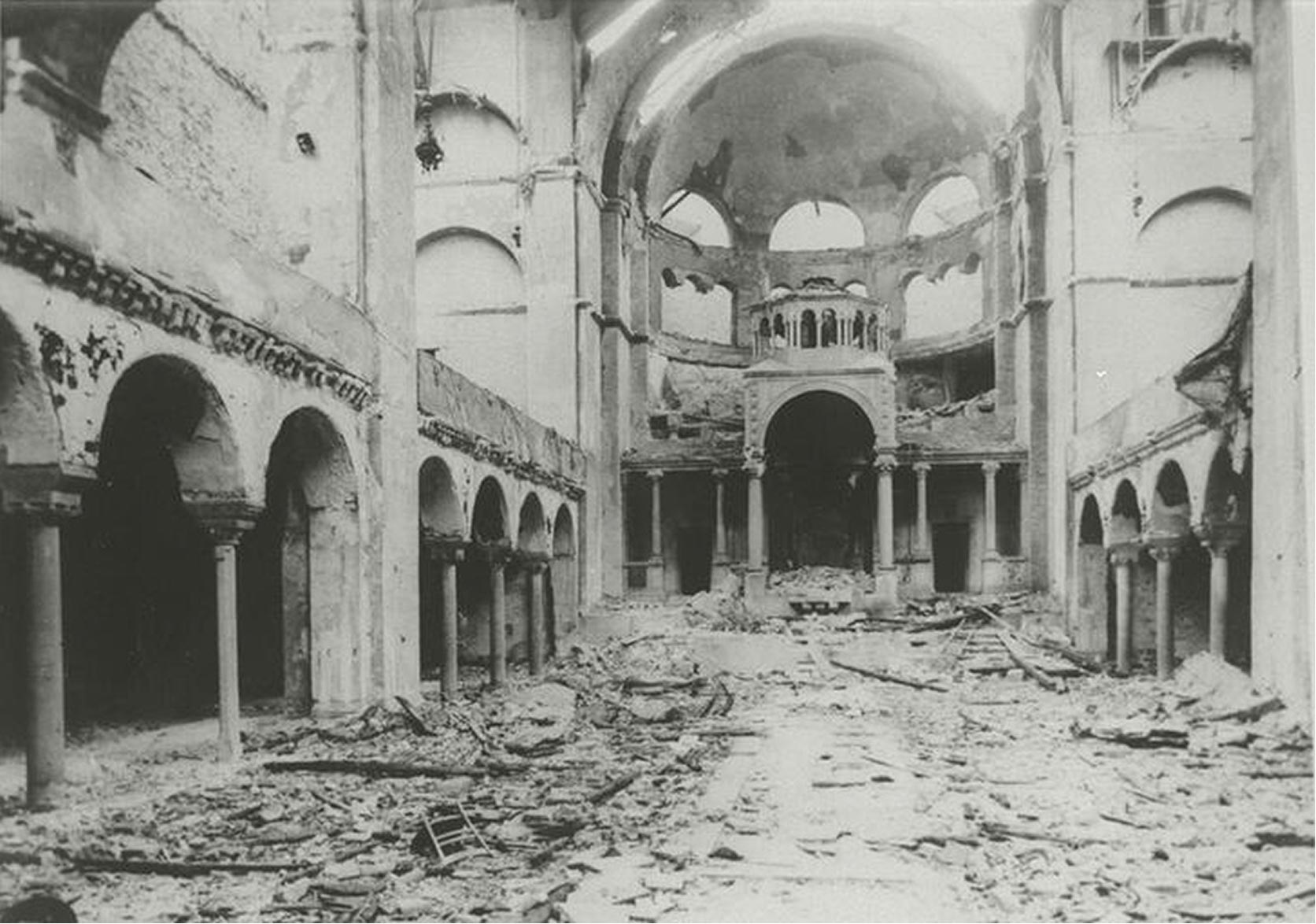
The November Pogrom, known as Kristallnacht (“Night of Broken Glass”) was a brutal assault on the Jews of Germany and Austria on the night of November 9–10, 1938. The name derives from shattering of the glass windows of synagogues, businesses and homes of Jews by the rioters. The pogrom took place after the murder of the third secretary of the German Embassy in Paris, Ernst vom Rath by a young Jewish man, Herschel Grynszpan. The Nazis portrayed the events as spontaneous outbursts by the crowds, but in fact they were planned and orchestrated by Heidrich and Goebbels. During the pogrom, almost all the synagogues in Germany and Austria were destroyed, Jewish-owned shops and businesses were looted and burned, and some 30,000 Jews were arrested and sent to the concentration camps of Dachau, Buchenwald and Sachsenhausen. The events accelerated the emigration of Jews from Germany and their exclusion from its economy. The Kristallnacht pogrom was considered the turning point in antisemitic measures by the Nazi regime – from discriminatory legislation to economic edicts and openly violent mass attacks against Jews, culminating in the destruction of European Jewry in the Shoah.
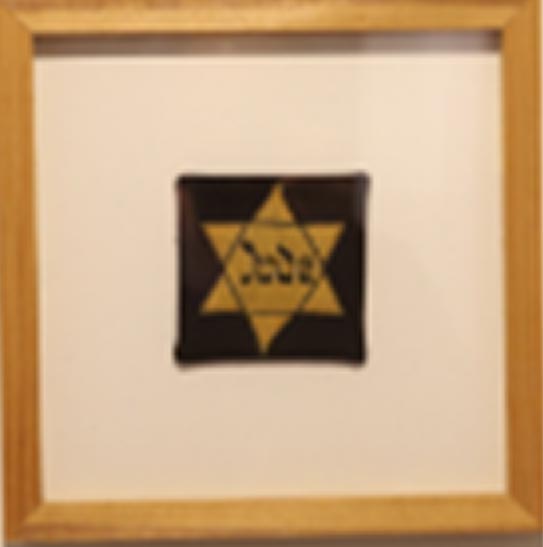
Yellow star
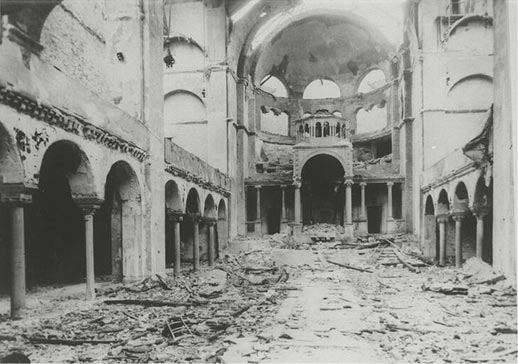
Interior of the Fasanenstrasse Synagogue in Belin after Kristallnacht.
Kristallnacht 1938
The November Pogrom, known as Kristallnacht (“Night of Broken Glass”) was a brutal assault on the Jews of Germany and Austria on the night of November 9–10, 1938. The name derives from shattering of the glass windows of synagogues, businesses and homes of Jews by the rioters. The pogrom took place after the murder of the third secretary of the German Embassy in Paris, Ernst vom Rath by a young Jewish man, Herschel Grynszpan. The Nazis portrayed the events as spontaneous outbursts by the crowds, but in fact they were planned and orchestrated by Heidrich and Goebbels. During the pogrom, almost all the synagogues in Germany and Austria were destroyed, Jewish-owned shops and businesses were looted and burned, and some 30,000 Jews were arrested and sent to the concentration camps of Dachau, Buchenwald and Sachsenhausen. The events accelerated the emigration of Jews from Germany and their exclusion from its economy. The Kristallnacht pogrom was considered the turning point in antisemitic measures by the Nazi regime – from discriminatory legislation to economic edicts and openly violent mass attacks against Jews, culminating in the destruction of European Jewry in the Shoah.
Yellow star
Interior of the Fasanenstrasse Synagogue in Belin after Kristallnacht.
Declaration of the Establishment of the State of Israel 1948
On Friday May 14, 1948, 5 Iyyar, 5708 at 4 PM (eight hours before the end of the British Mandate over Palestine), independence was declared at a ceremony at the Tel Aviv Museum, then located in the Dizengoff house. During the ceremony David Ben-Gurion read the Declaration of Independence.
The declaration announced the establishment of the State of Israel and detailed the principles on which the new state would be founded, including equal rights for all its citizens, freedom of religion and conscience, and the development of the country for the benefit of all its inhabitants.
The declaration was published that same day on the front page of the newspaper Rashumot.
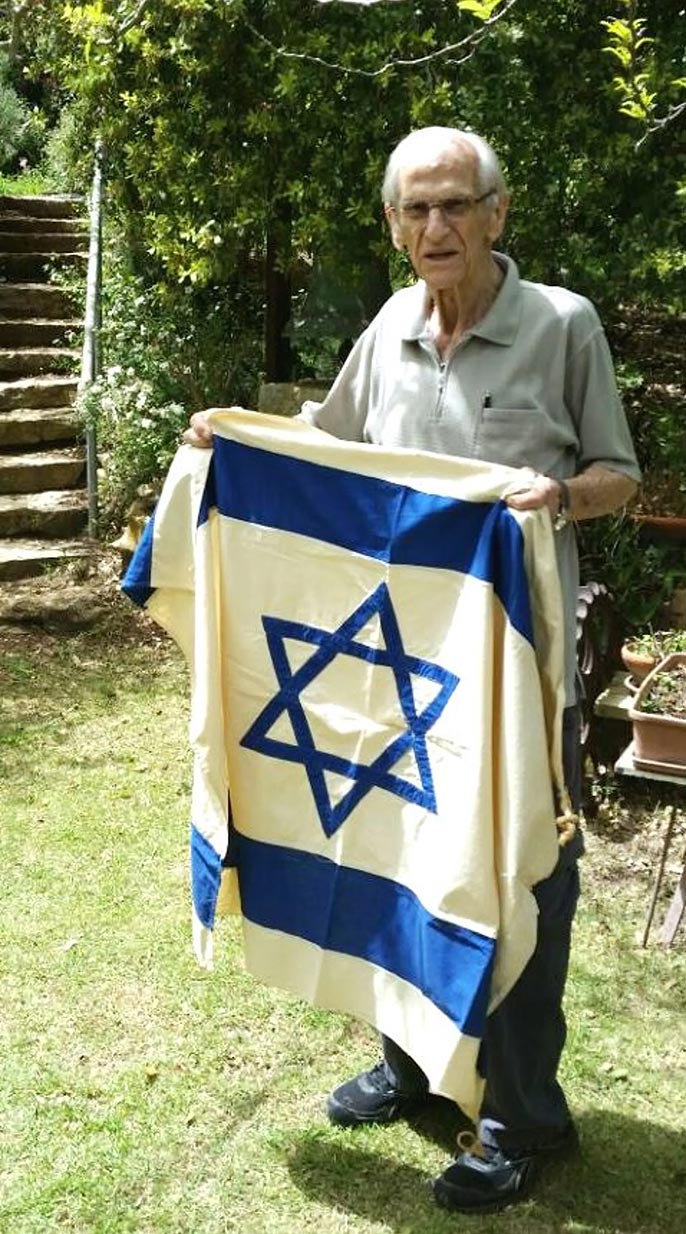
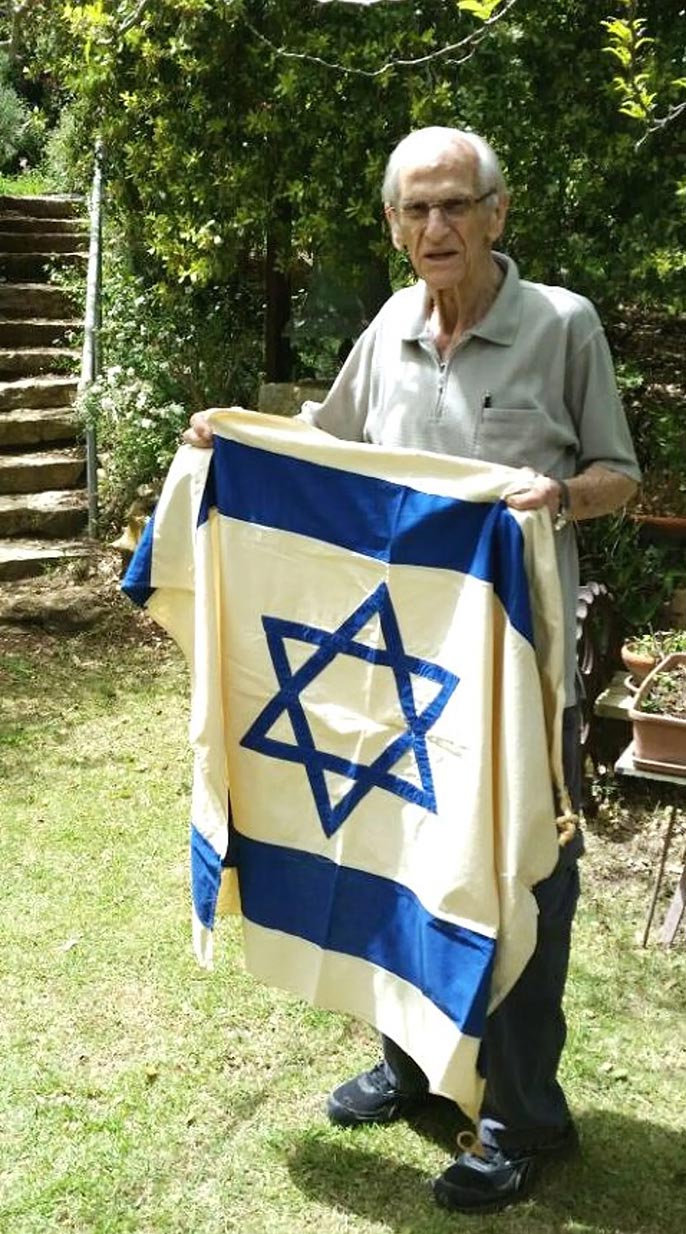
Andreas Meyer with the flag sewn by his mother Gertrude in 1948 in Nahariya in honor of the first Independence Day.
The Fifth Aliyah 1933-1939
Some 250,000 Jews moved to Israel from 1933 to 1939 – a wave of immigration that almost tripled the size of the Palestine’s Jewish community (Yishuv). The new arrivals were called the “yekke immigration,” although yekkes (the nickname for immigrants from German-speaking countries) made up only about one quarter of all the newcomers: About 50,000 Jews came from Germany, while thousands of others arrived from Austria and Czechoslovakia (about half of the immigrants were from Eastern Europe).
When the Nazis came to power in 1933, more than half a million Jews lived in Germany, most of them educated professionals, well integrated into society, culture and the economy. Following the persecution of the Jews in Germany, and after Czechoslovakia was annexed to Germany, hundreds of thousands of Jews sought a safe haven, and some of them chose to move to Palestine. Following this great wave of arrivals from German-speaking countries, the German Department was established in the Jewish Agency under the leadership of Arthur Ruppin, which spearheaded the various aspects of the assistance operation for the new immigrants from the German-speaking countries.
Most of the immigrants from Central Europe who arrived in Palestine were not motivated by Zionist ideals, but reality turned them into pioneers in spite of themselves. Some of the immigrants turned to agriculture in kibbutzim and villages. They also created a new form of settlement – rural cooperative communities for the middle class, including family farms based mainly on raising vegetables and poultry. But most of the immigrants settled in the big cities – Tel Aviv, Haifa and Jerusalem. The Jews who left Germany were banned from bringing most of their property and capital. However, the “transfer” agreement between the Jewish Agency with Germany allowed them to exchange some of their capital for products made in Germany that were exported to Palestine. The immigrants are believed to have brought the equivalent of about 20 million British pounds, mainly in the form of industrial and agricultural equipment. These “imports” spurred major development of the local economy. The newcomers also brought a great store of knowledge and a venerable European cultural tradition. About a quarter of the immigrants were 36 years old or older, and many of them were professionals, academics, researchers and scholars, among them world-famous figures in the sciences, humanities, medicine and law. The small Yishuv in Palestine could not provide them all with work in their fields, and so many had to seek other livelihoods.
The yekkes insisted on maintaining their German culture, and the German language dominated their daily life, including their publication of newspapers and journals in German. They usually did not integrate into the existing systems in their new homeland, but rather, they established their own organizations. One of the most prominent of these was the German immigrants’ association, which was established as early as 1932 with the goal of advising the immigrants before their arrival and helping them assimilate into society. The contribution of the Central European immigrants to the Yishuv in Palestine manifested itself in a variety of fields: advancement of the economy, commerce and industry, banking and insurance, science and the academic world, private and public medicine, education, journalism, architecture, music and theater. But their greatest and most visible contribution was in weaving Western characteristics into the Israeli society.
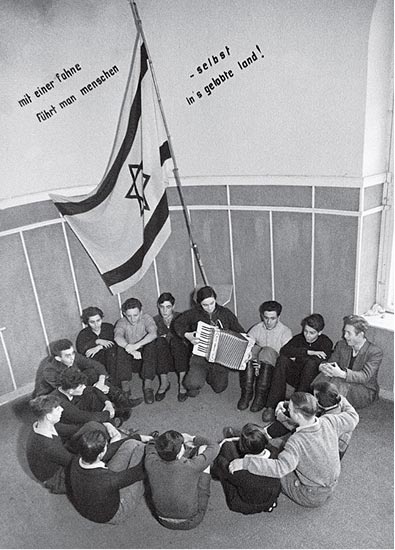
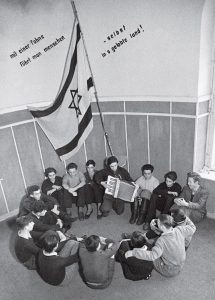
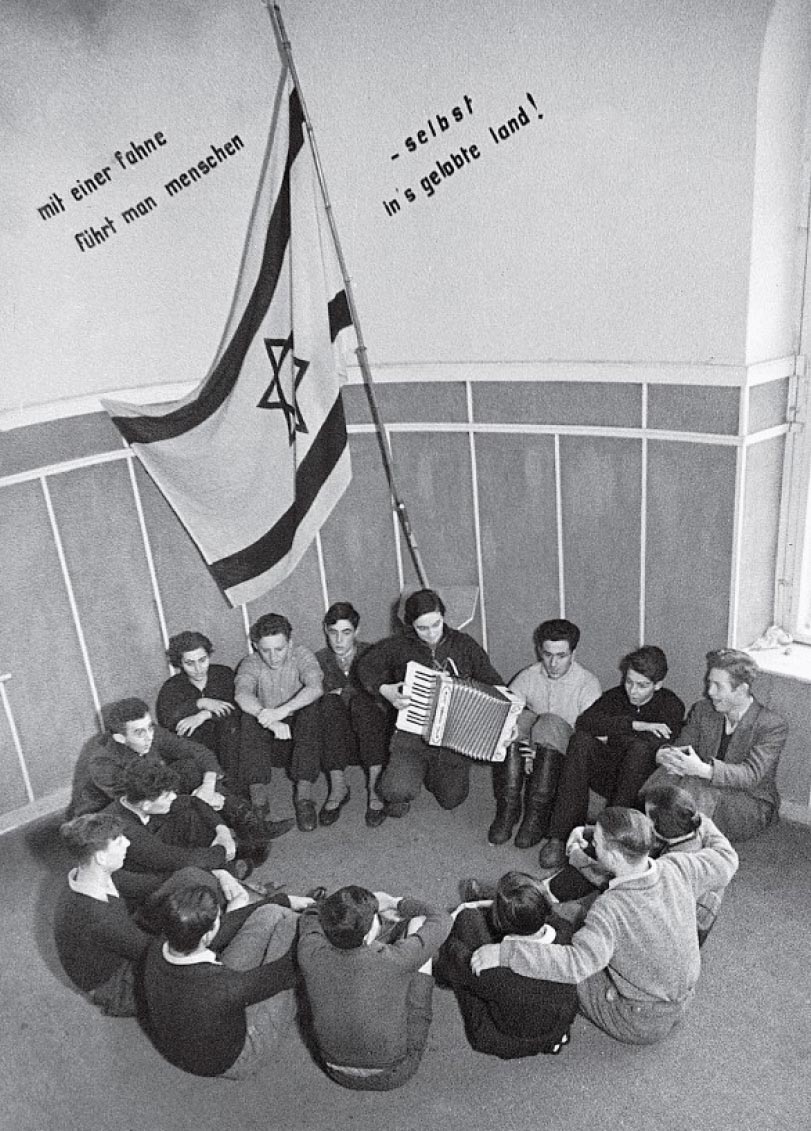
“A flag is what leads people – even to the Holy Land”. A group of young people in agricultural training, Arensdorf, Germany, 1937. Photo: Avraham Pisarek
The First Zionist Congress 1897
The First Zionist Congress, attended by delegates of the Zionist movements, was held in Basel, Switzerland on August 29–31, 1897, I–3 Elul 5757. The importance of the congress was in laying the groundwork for the Zionist movement and calling for the establishment of “the state of the Jews.” It also raised awareness of the Zionist idea among Jews and garnered international attention. The initiator and leader of the conference was Theodor Herzl.
Most of the Jews of Germany did not share his enthusiasm; they defined themselves as “German citizens of the Mosaic faith” and considered Zionism a danger to their civil status. The Zionism movement attracted only a minority of German Jewry – young Zionist Jews who were active in the Blau Weiss youth movement, the Bar Kokhba and Maccabi Jewish sports clubs, and the members of the Hehalutz movement, whose goal was self-fulfillment in the Land of Israel. Until the beginning of the 1930s, only about 2,000 German pioneers came to Palestine out of Zionist ideological motives, most of whom went on to strengthen rural communities. From 1933 to 1938, the rise of Nazism led to another wave of immigration from the Central European countries, which was part of the Fifth Aliyah.
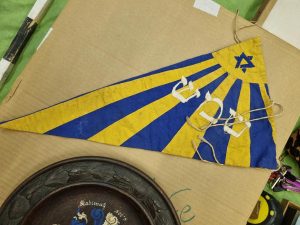
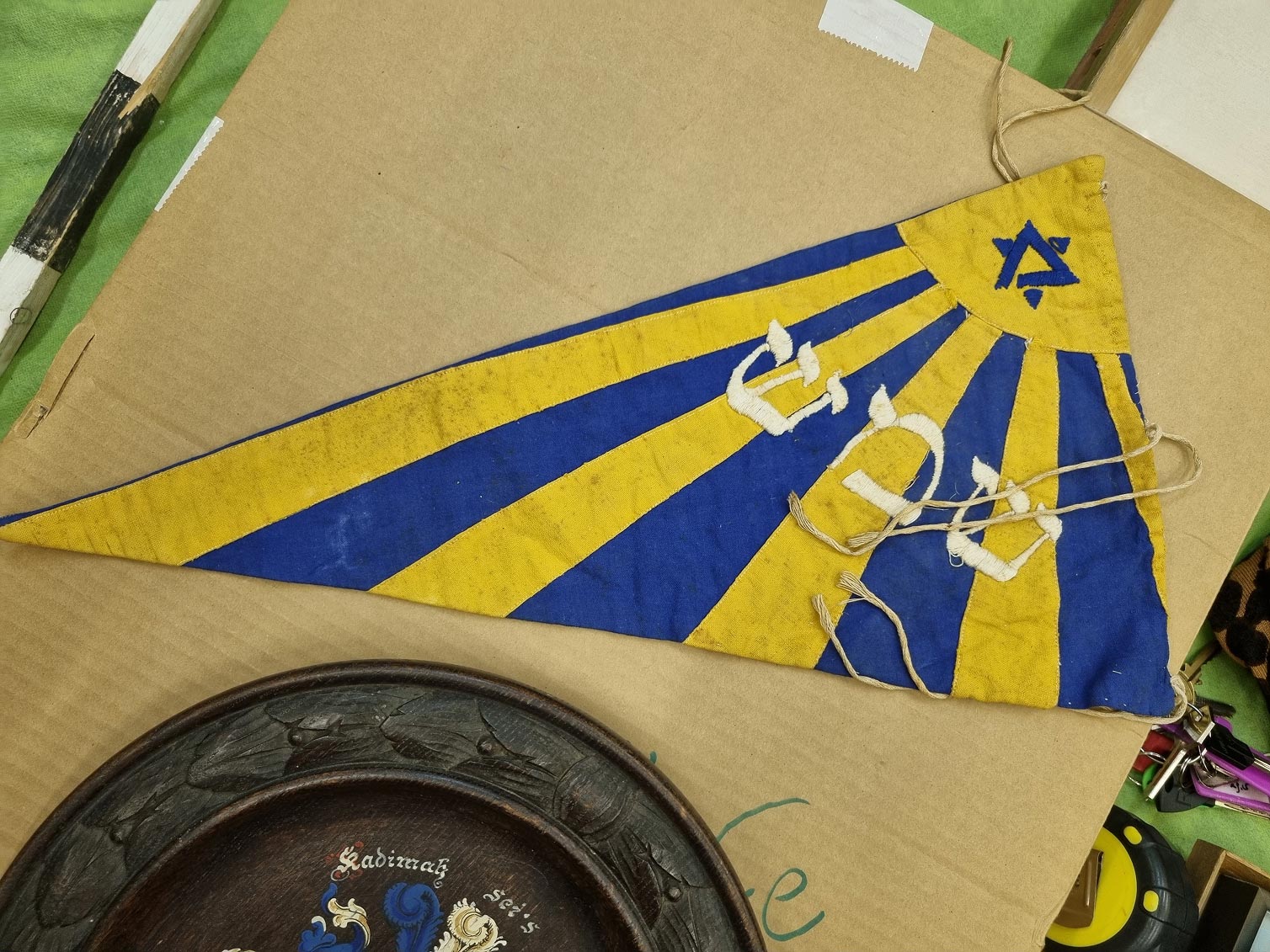
An embroidered pennant of Young Maccabi and Gordonia that held its activities in the mountains of Vienna, Austria.
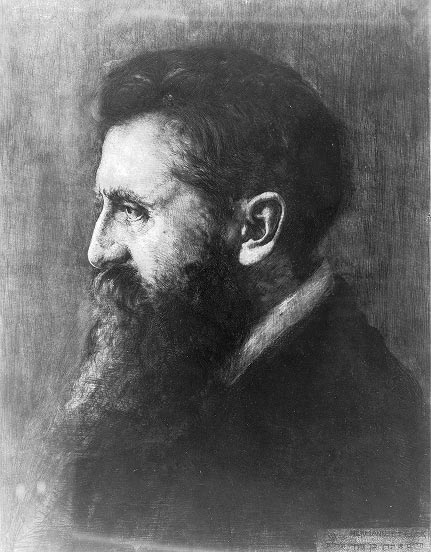
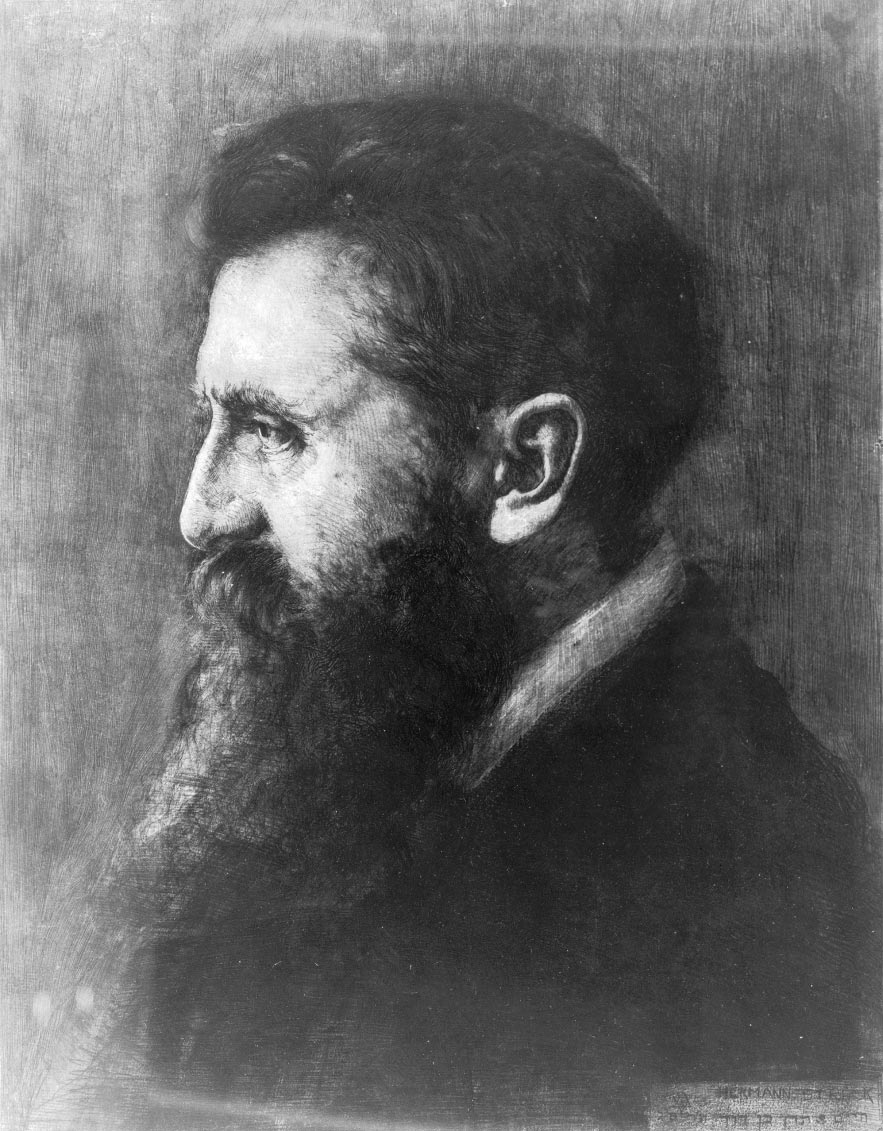
Hermann Struck, Theodor Herzl, 1903, etching, Hecht Museum collection. The artist Hermann Struck, who met with Herzl in Egypt and was impressed with his personality and his deep Zionist faith, created a series of etchings portraying him.
The First Zionist Congress 1897
The First Zionist Congress, attended by delegates of the Zionist movements, was held in Basel, Switzerland on August 29–31, 1897, I–3 Elul 5757. The importance of the congress was in laying the groundwork for the Zionist movement and calling for the establishment of “the state of the Jews.” It also raised awareness of the Zionist idea among Jews and garnered international attention. The initiator and leader of the conference was Theodor Herzl. Most of the Jews of Germany did not share his enthusiasm; they defined themselves as “German citizens of the Mosaic faith” and considered Zionism a danger to their civil status. The Zionism movement attracted only a minority of German Jewry – young Zionist Jews who were active in the Blau Weiss youth movement, the Bar Kokhba and Maccabi Jewish sports clubs, and the members of the Hehalutz movement, whose goal was self-fulfillment in the Land of Israel. Until the beginning of the 1930s, only about 2,000 German pioneers came to Palestine out of Zionist ideological motives, most of whom went on to strengthen rural communities. From 1933 to 1938, the rise of Nazism led to another wave of immigration from the Central European countries, which was part of the Fifth Aliyah.
An embroidered pennant of Young Maccabi and Gordonia that held its activities in the mountains of Vienna, Austria.
Hermann Struck, Theodor Herzl, 1903, etching, Hecht Museum collection. The artist Hermann Struck, who met with Herzl in Egypt and was impressed with his personality and his deep Zionist faith, created a series of etchings portraying him.
Jews Leaving Central Europe 1933-1939
The relatively lengthy span between 1933 and 1939 made possible a planned and organized arrival of immigrants to Palestine. Some of them even came on a visit first, to evaluate the country and look at possibilities open to them before bringing their families.
As opposed to the young people who came on Youth Aliyah and those who arrived here in the 1940s, these immigrants were mainly well-off families who brought with them many of their possessions to establish their new home.
Those who could take advantage “Haavra Funds” (the “transfer agreements between German Nazi and the Jewish Agency) brought many items needed to establish themselves economically and socially, including furnishings, textiles, porcelain dishes, entire German-language libraries, archives of documents, and certificates and letters from the nineteenth and twentieth centuries.
The newcomers left the Heimat (“homeland” in German) for a new homeland in the Levant with great trepidation and uncertainty and very little, if any, Zionism. Among these immigrants, who had not foreseen the enormity of the future Holocaust, were those who believed that someday the fury would pass, and they would be able to return to Europe, to the homes they had left behind.
Could such a belief have motivated them to bring to Palestine the contents of their homes, their libraries and their family archives? Or perhaps they could not bear to leave the contents of their homes and generations of collections that were part of their identity and family heritage? Did they seek to impart to their children and grandchildren in Palestine the cultural heritage of their forefathers from the old country ? And perhaps, in taking with them a “bit of Heimat” they felt a small measure of comfort in the face of the uncertainty that greeted them in the Levant.
This “family import” of the 1930s today enriches the archives in Israel, especially the German-speaking Jewry Heritage Wing, today at the University of Haifa, and it is an important building block of the historical research.
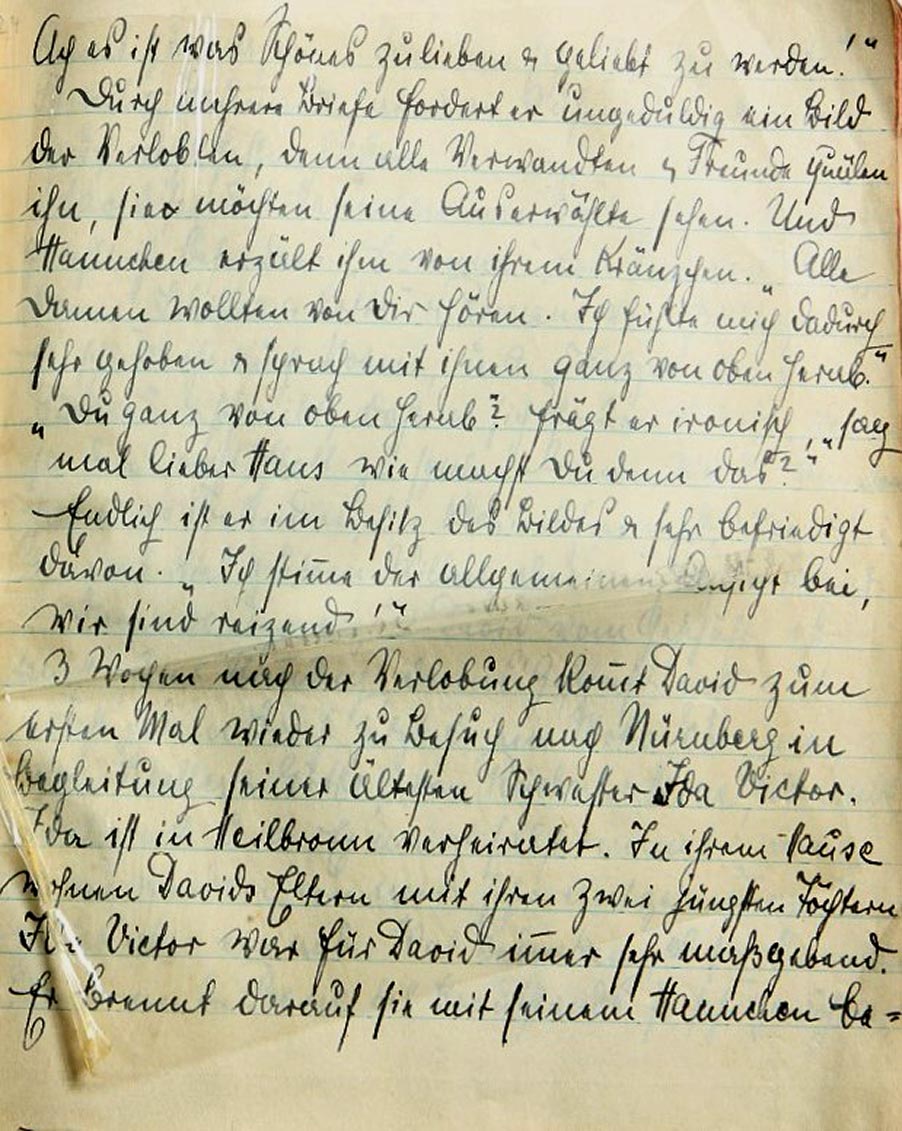
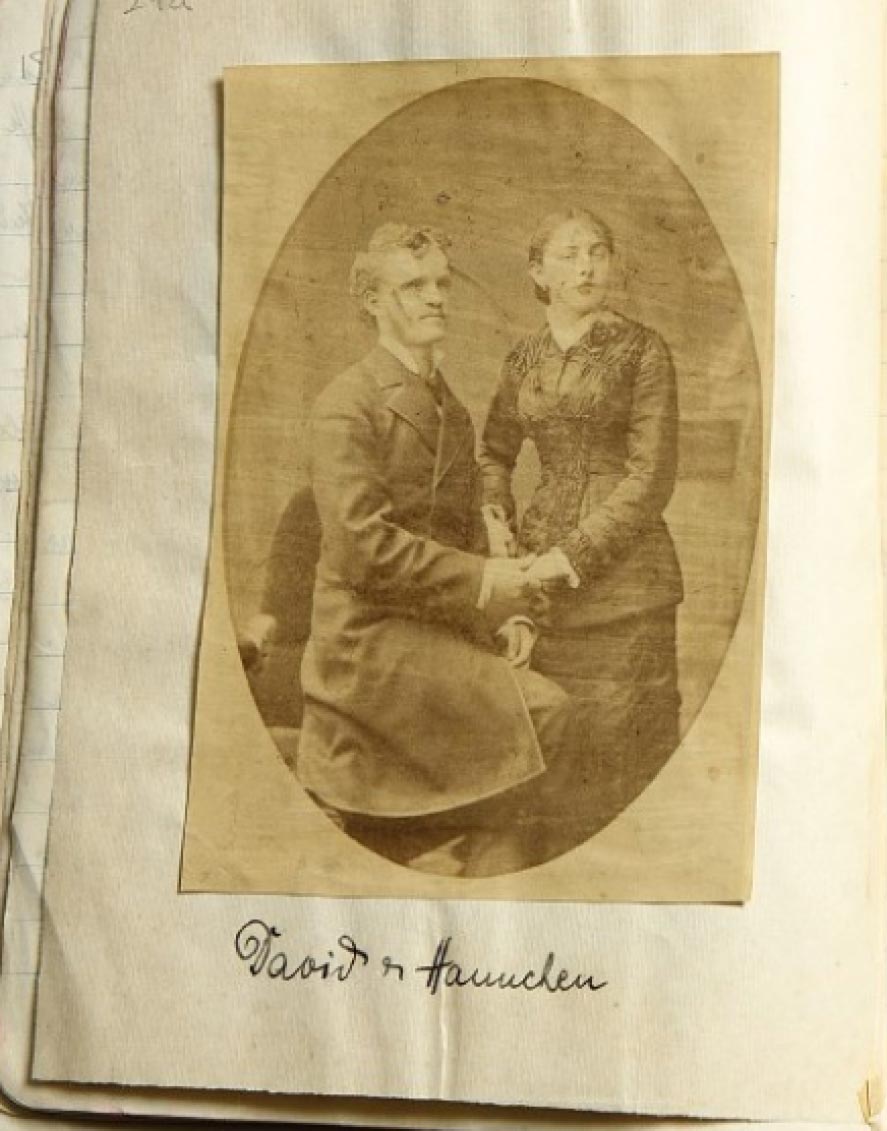
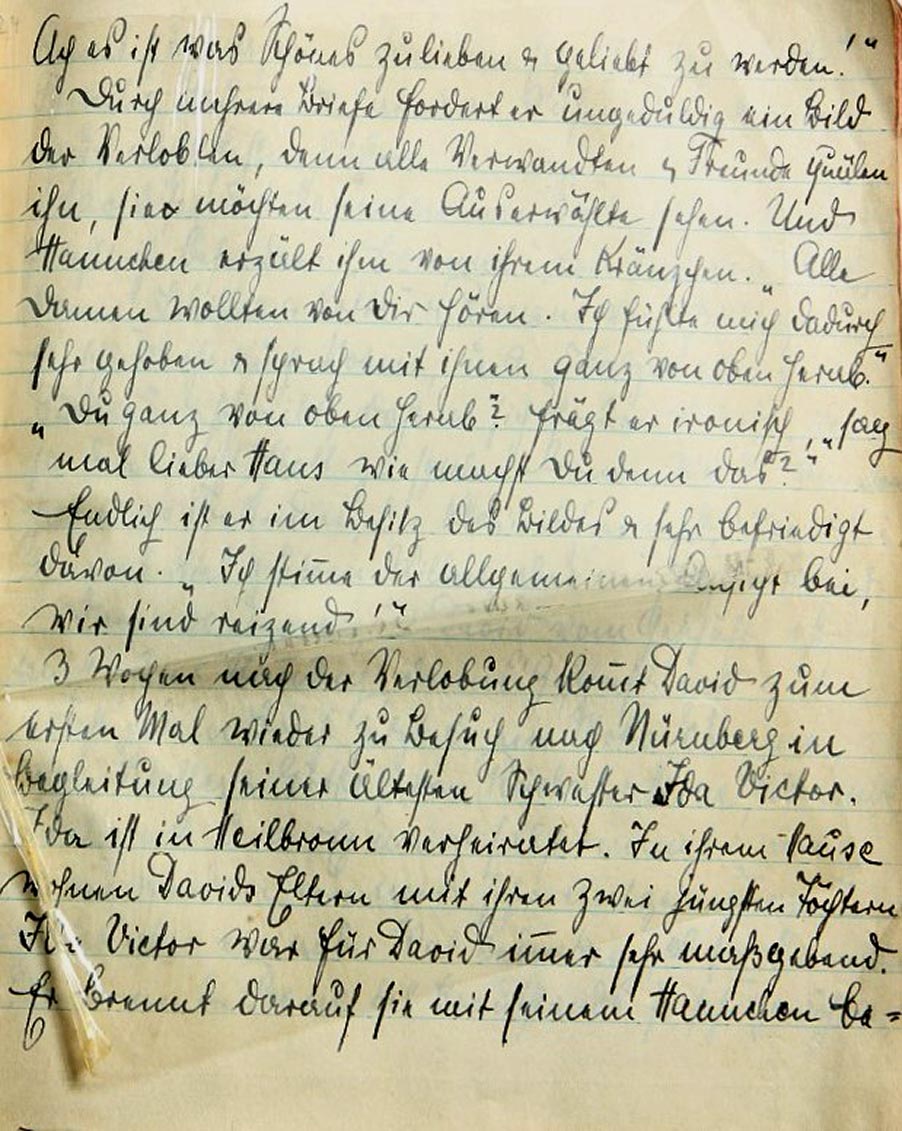
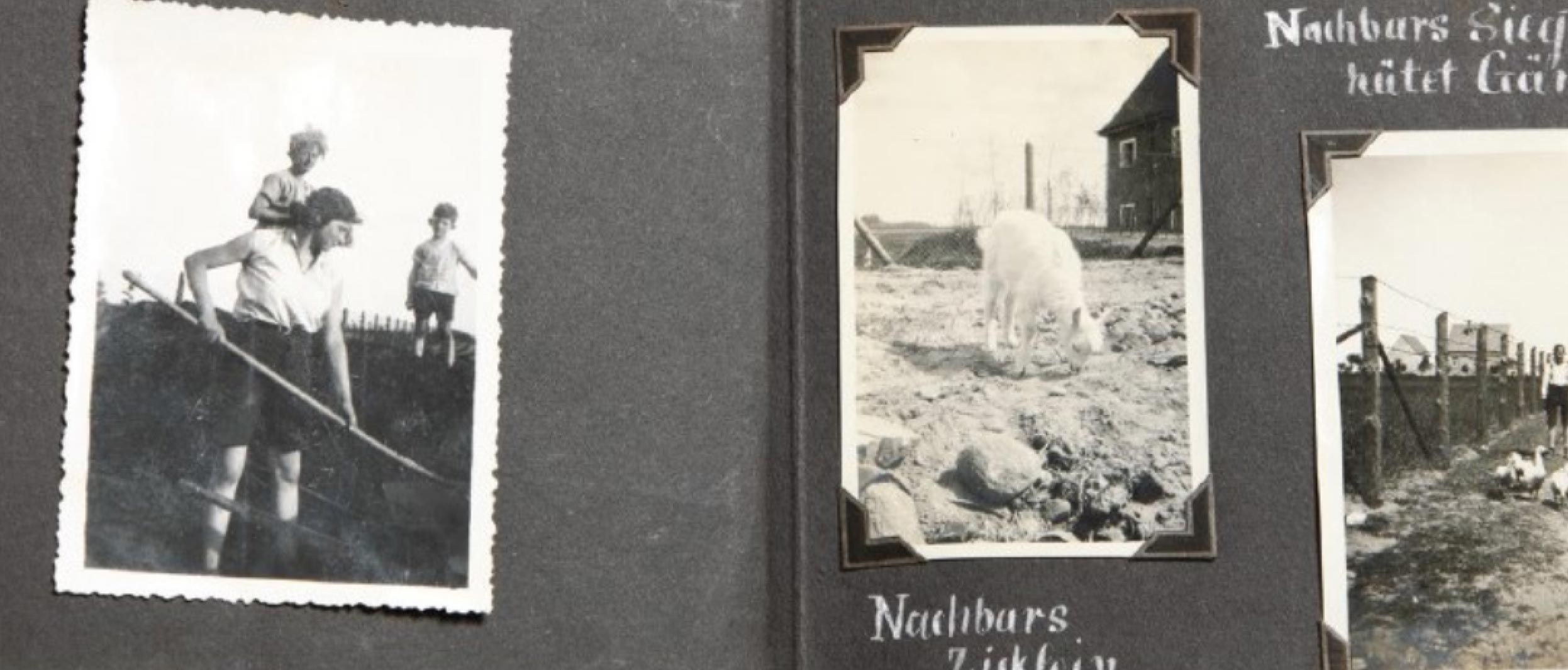
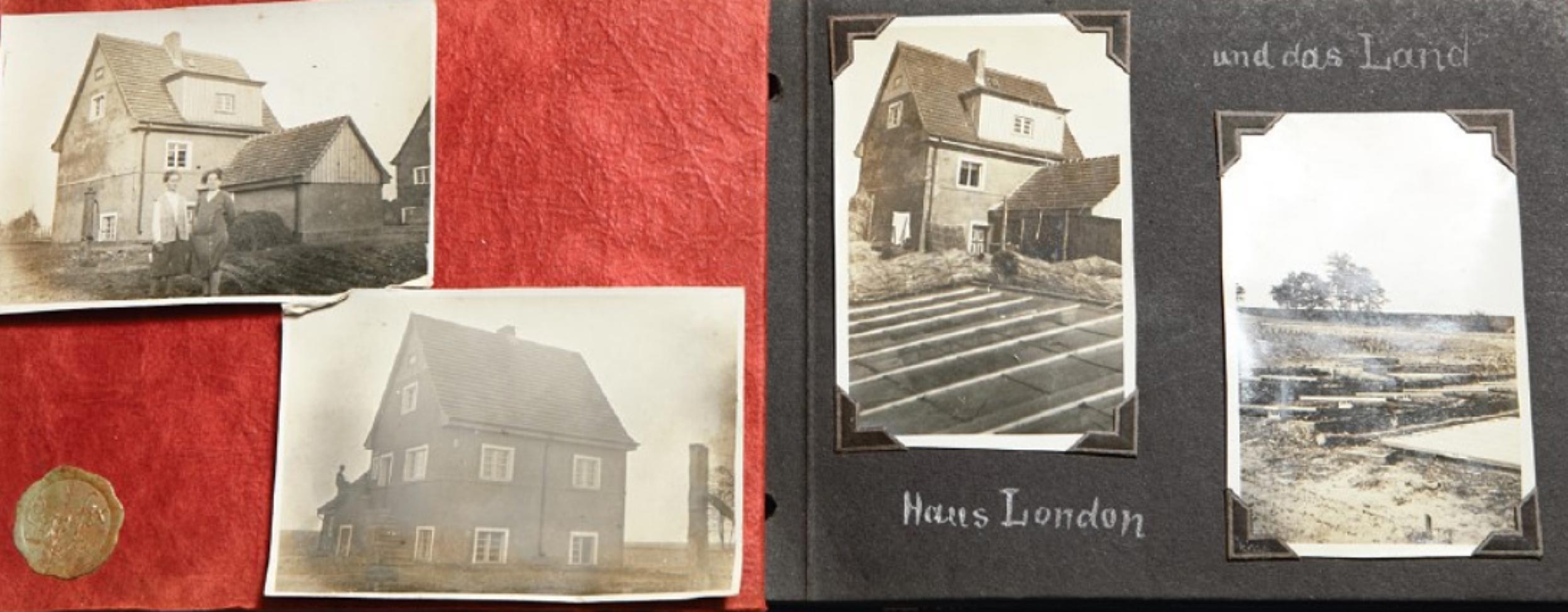
The pictures are from the notebooks of Jenny (Hess) Kremer (1887–1975). They document her research on the history of her extended family in Germany.
Her writings reveal the life of the family, the community, sources of livelihood and customs of the “village Jews” in Germany in the eighteenth and nineteenth centuries. Kremer moved to Israel in 1934 with her husband, the ophthalmologist Dr. Max Kremer, and their three children, and in 1935 the family settled in Nahariya.
Jews Leaving Central Europe 1933-1939
The relatively lengthy span between 1933 and 1939 made possible a planned and organized arrival of immigrants to Palestine. Some of them even came on a visit first, to evaluate the country and look at possibilities open to them before bringing their families.
As opposed to the young people who came on Youth Aliyah and those who arrived here in the 1940s, these immigrants were mainly well-off families who brought with them many of their possessions to establish their new home.
Those who could take advantage “Haavra Funds” (the “transfer agreements between German Nazi and the Jewish Agency) brought many items needed to establish themselves economically and socially, including furnishings, textiles, porcelain dishes, entire German-language libraries, archives of documents, and certificates and letters from the nineteenth and twentieth centuries.
The newcomers left the Heimat (“homeland” in German) for a new homeland in the Levant with great trepidation and uncertainty and very little, if any, Zionism. Among these immigrants, who had not foreseen the enormity of the future Holocaust, were those who believed that someday the fury would pass, and they would be able to return to Europe, to the homes they had left behind.
Could such a belief have motivated them to bring to Palestine the contents of their homes, their libraries and their family archives? Or perhaps they could not bear to leave the contents of their homes and generations of collections that were part of their identity and family heritage? Did they seek to impart to their children and grandchildren in Palestine the cultural heritage of their forefathers from the old country ? And perhaps, in taking with them a “bit of Heimat” they felt a small measure of comfort in the face of the uncertainty that greeted them in the Levant.
This “family import” of the 1930s today enriches the archives in Israel, especially the German-speaking Jewry Heritage Wing, today at the University of Haifa, and it is an important building block of the historical research.
The pictures are from the notebooks of Jenny (Hess) Kremer (1887–1975). They document her research on the history of her extended family in Germany. Her writings reveal the life of the family, the community, sources of livelihood and customs of the “village Jews” in Germany in the eighteenth and nineteenth centuries.
Kremer moved to Israel in 1934 with her husband, the ophthalmologist Dr. Max Kremer, and their three children, and in 1935 the family settled in Nahariya.
Jews in the Franco-Prussian War 1870-1871
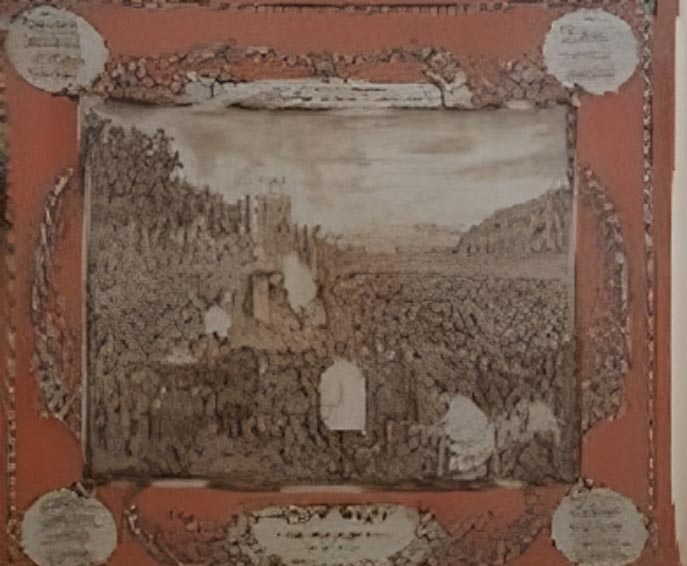
The war was fought between the Second French Empire and Prussia and other Germanic countries. Emperor Napoleon III declared war on Prussia out of fear of its growing strength. The war ended with the stinging defeat of France and the loss of the Alsace and Lorraine regions. It also put an end to imperial rule and in its wake, the Third French Republic was established. Prussia’s victory augmented its influence in Europe and is considered one of the important factors in the unification of Germany.
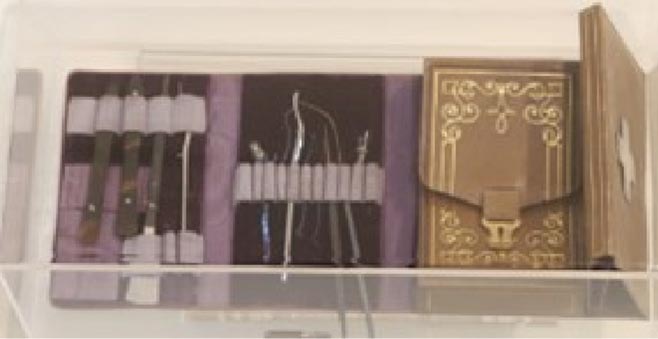
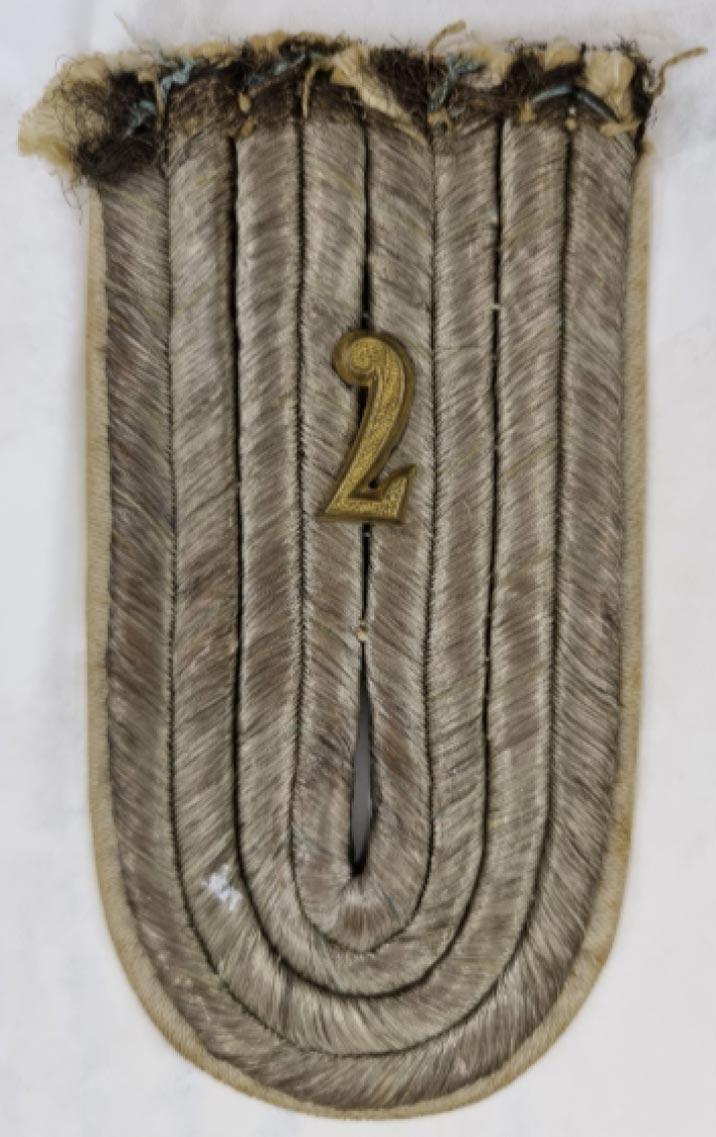
The surgical kit of Dr. Max Philip, which he received in appreciation of his outstanding work during the Franco- Prussian war, when he fought on the Prussian side.
Jews in World War I 1914-1918
Personalities
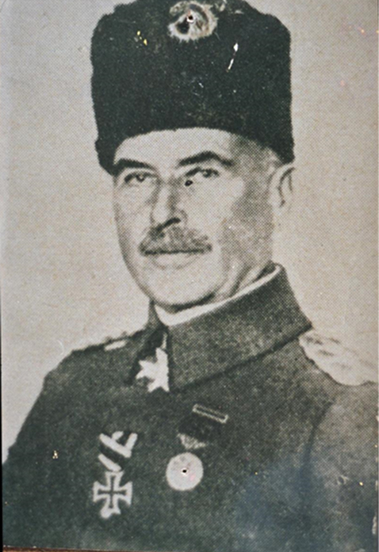
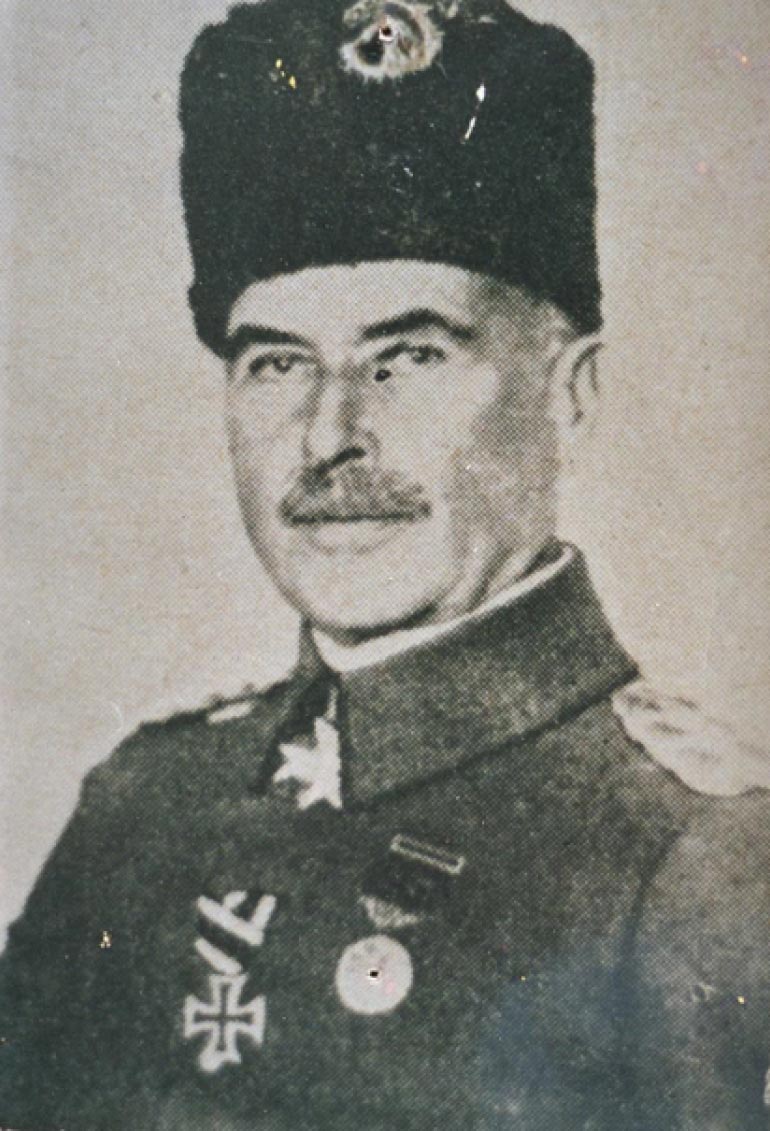
Jews enlisted in the armies of the German and the Austro-Hungarian empires and served loyally on all fronts out of a desire to serve their countries. They took part in the war as combat soldiers and officers and some advanced to high ranks. For example, German General Otto Viktor Karl Liman von Sanders was an adviser to the Ottoman Empire.
Otto Viktor Karl Liman von Sanders, 1855–1929, general in the German Imperial Army.
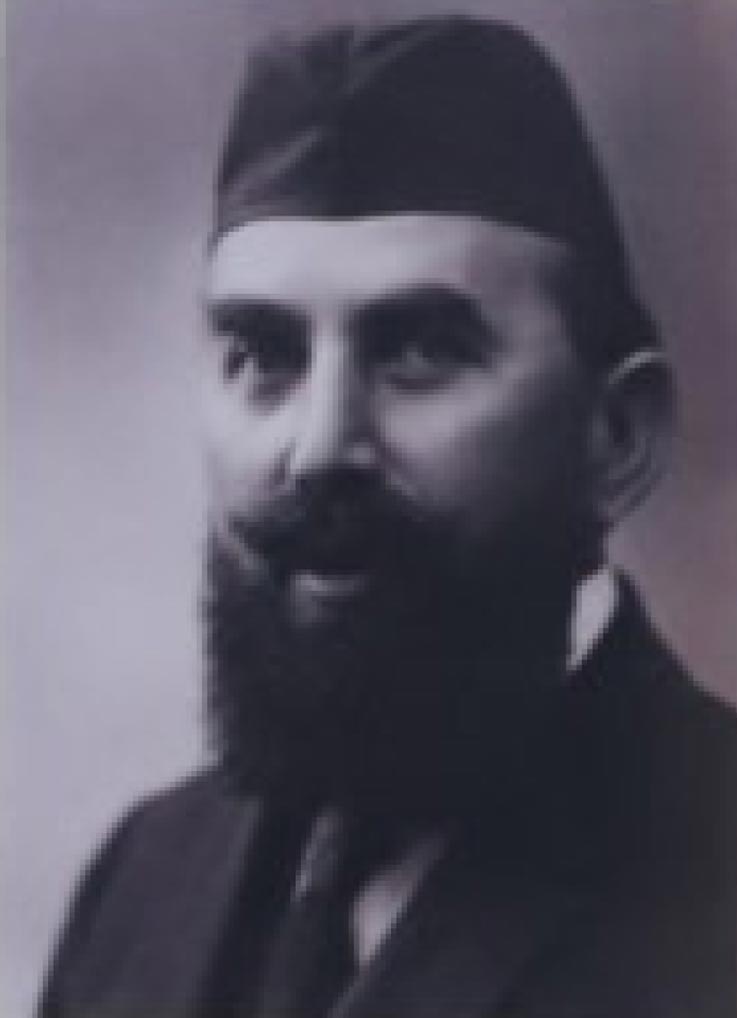
Personalities: Rabbi Dr. Adolf Abraham Altman
Rabbi Dr. Adolf Abraham Altman (1879–1944) was born in Hunsdorf, Hungary (today Hunfalu, Slovakia). From 1899 to 1902, he studied at the yeshiva in Pressburg (today Bratislava, Slovakia) and joined the Mizrachi movement, which was active in the social and Zionist life of the yeshiva. After he completed his studies he began to write political articles and fables for the Zionist publications Die Welt, Ungarische Wechenshrift, and for the Orthodox Jewish publication “The Israelite.”
In 1905 he officially ceased his Zionist activities in Mizrachi and returned to the Orthodox Jewish world. In 1906 he served as chief rabbi of the city of Neustadt, Austria.
From 1907 to 1914 and 1919 to 1920, he served as chief rabbi of Salzburg, Austria. From 1915 to 1918, he was a senior rabbi in the service of the Austrian Army on the front lines.
From 1920 to 1936, he and his wife lived as refugees in Holland. In 1944, the Altmans were sent to Auschwitz. Rabbi Altman died of an illness and his wife was murdered.
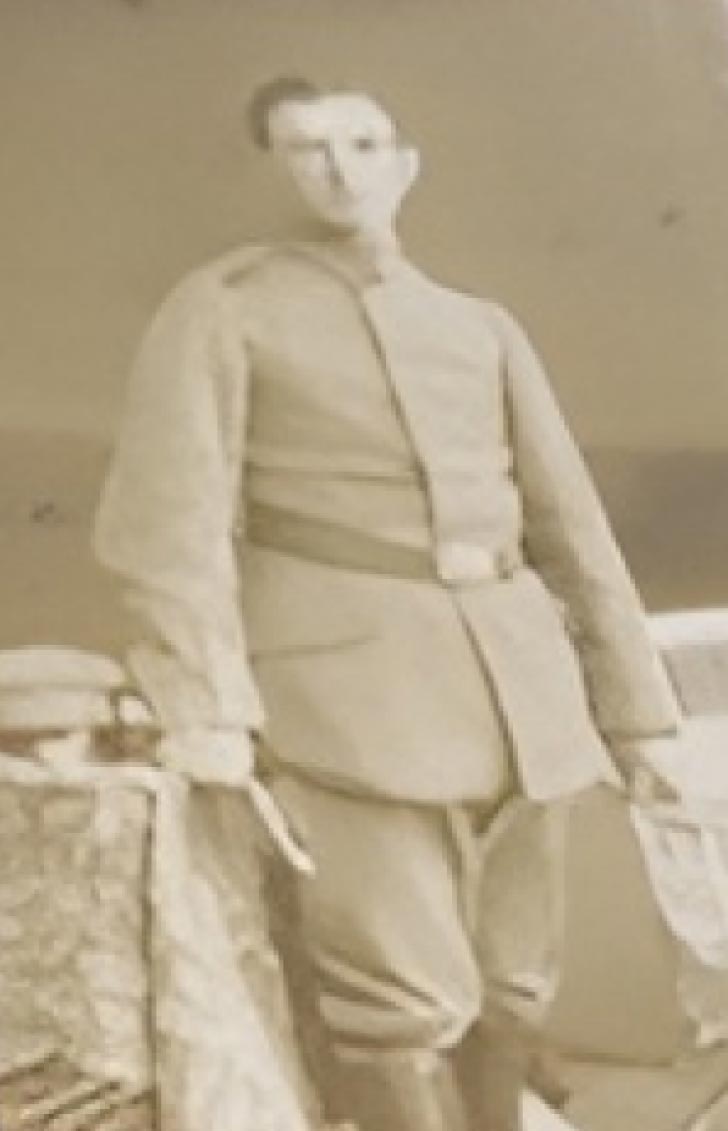
The officer Adolf Blum, born in Wellesweiler on December 21, 1895. Fell in battle on May 13, 1918.
Prizes
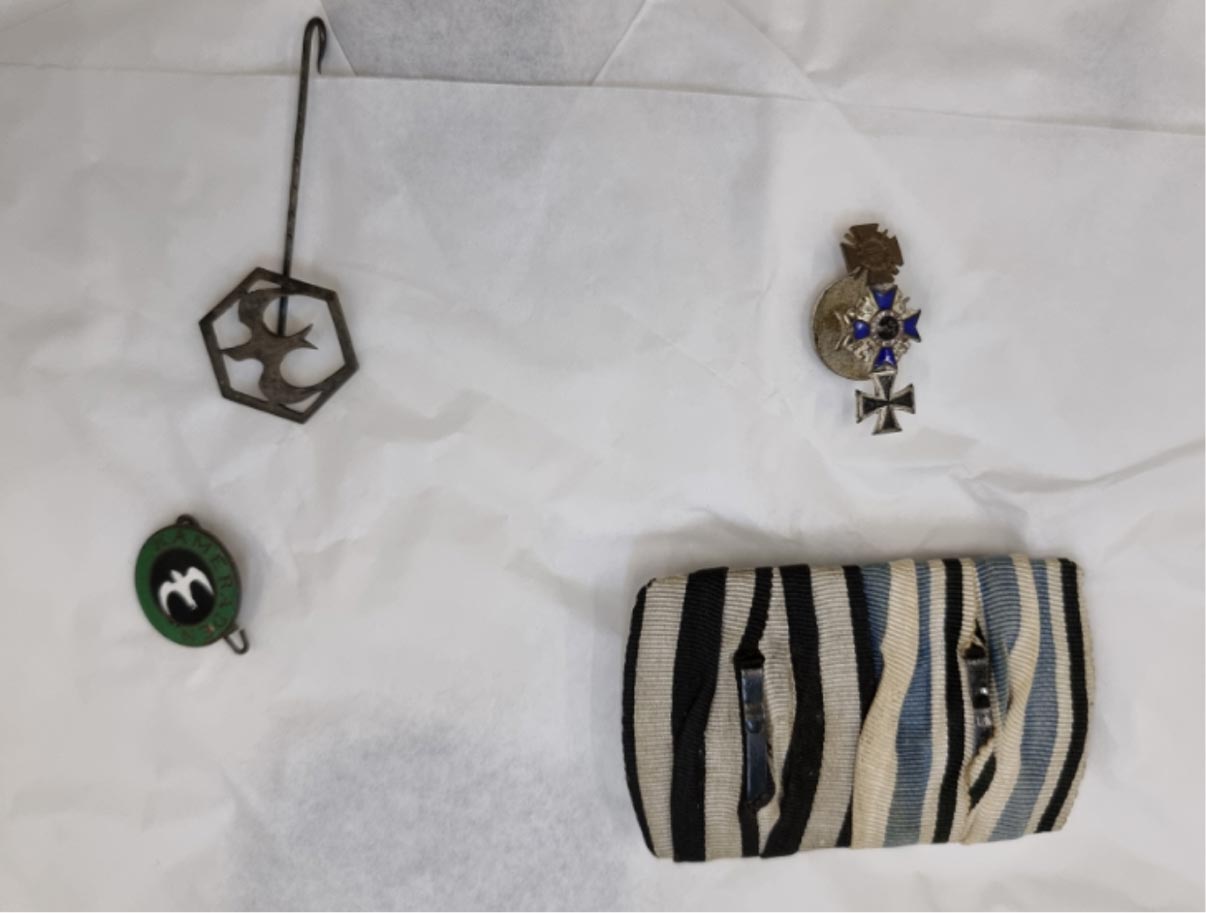
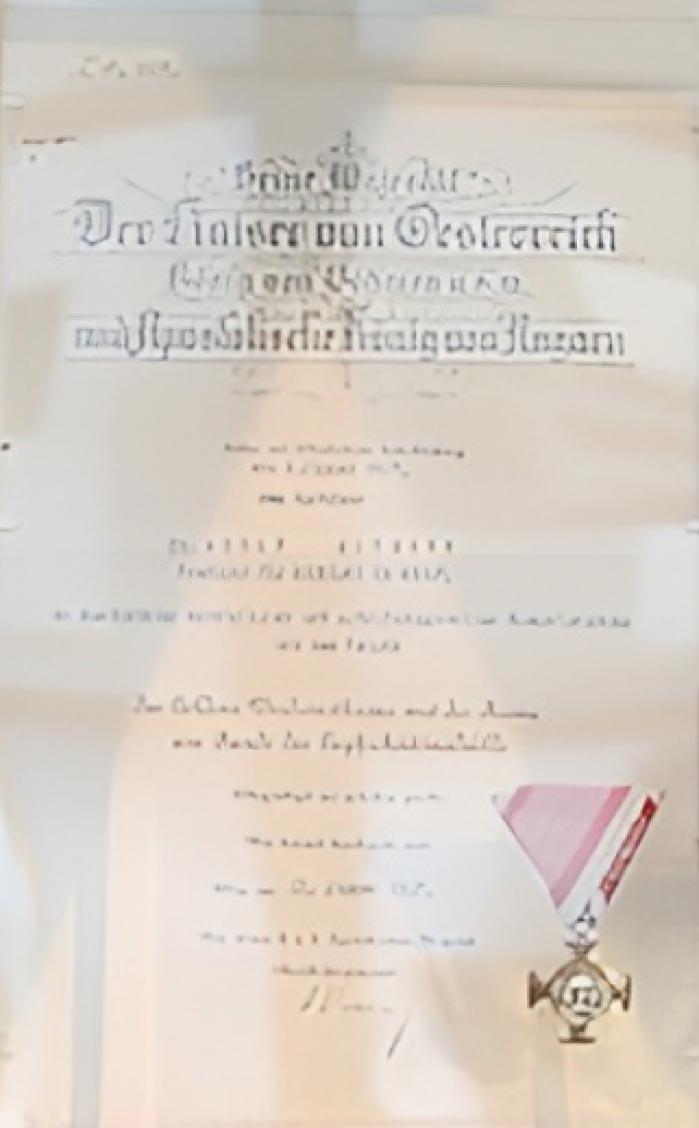
Imperial testimonial and gold cross for heroism awarded to Rabbi Dr. Adolf Altman for his devoted service as a rabbi and a preacher in the Austrian Army during World War I, January 12, 1917.
Letters
Jews in World War I 1914-1918
Personalities
Jews enlisted in the armies of the German and the Austro-Hungarian empires and served loyally on all fronts out of a desire to serve their countries. They took part in the war as combat soldiers and officers and some advanced to high ranks. For example, German General Otto Viktor Karl Liman von Sanders was an adviser to the Ottoman Empire.
Otto Viktor Karl Liman von Sanders, 1855–1929, general in the German Imperial Army.
Personalities: Rabbi Dr. Adolf Abraham Altman
Rabbi Dr. Adolf Abraham Altman (1879–1944) was born in Hunsdorf, Hungary (today Hunfalu, Slovakia). From 1899 to 1902, he studied at the yeshiva in Pressburg (today Bratislava, Slovakia) and joined the Mizrachi movement, which was active in the social and Zionist life of the yeshiva. After he completed his studies he began to write political articles and fables for the Zionist publications Die Welt, Ungarische Wechenshrift, and for the Orthodox Jewish publication “The Israelite.”
In 1905 he officially ceased his Zionist activities in Mizrachi and returned to the Orthodox Jewish world. In 1906 he served as chief rabbi of the city of Neustadt, Austria.
From 1907 to 1914 and 1919 to 1920, he served as chief rabbi of Salzburg, Austria. From 1915 to 1918, he was a senior rabbi in the service of the Austrian Army on the front lines.
From 1920 to 1936, he and his wife lived as refugees in Holland. In 1944, the Altmans were sent to Auschwitz. Rabbi Altman died of an illness and his wife was murdered.
The officer Adolf Blum, born in Wellesweiler on December 21, 1895. Fell in battle on May 13, 1918.
Prizes
Imperial testimonial and gold cross for heroism awarded to Rabbi Dr. Adolf Altman for his devoted service as a rabbi and a preacher in the Austrian Army during World War I, January 12, 1917.